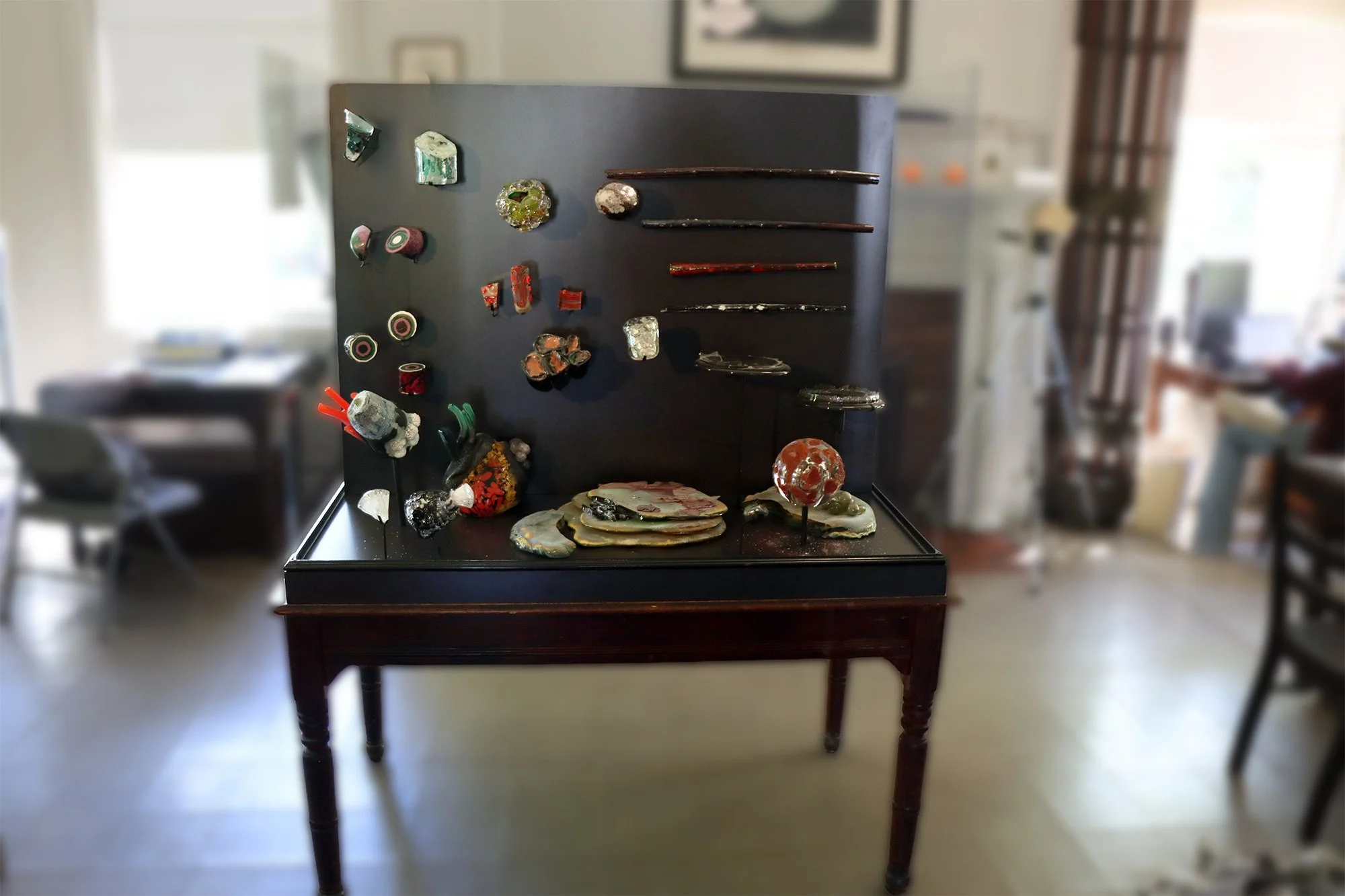
The Observatory: Beyond-looking Exhibition View (Front) Ladd Observatory at Brown University
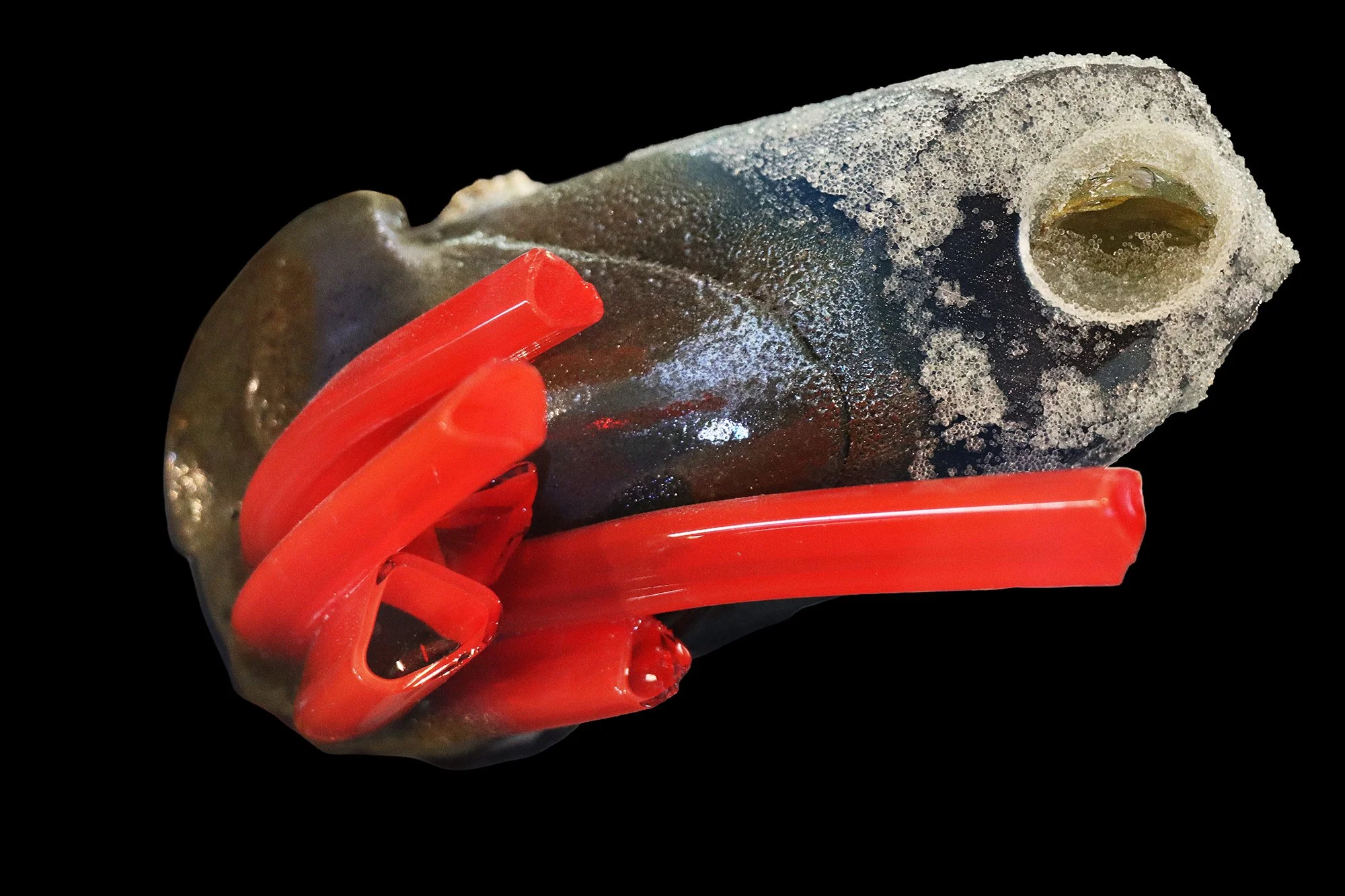
Geologic Object (2025) Glass (Blown, Hot Sculpted, Kiln Re-Cast)
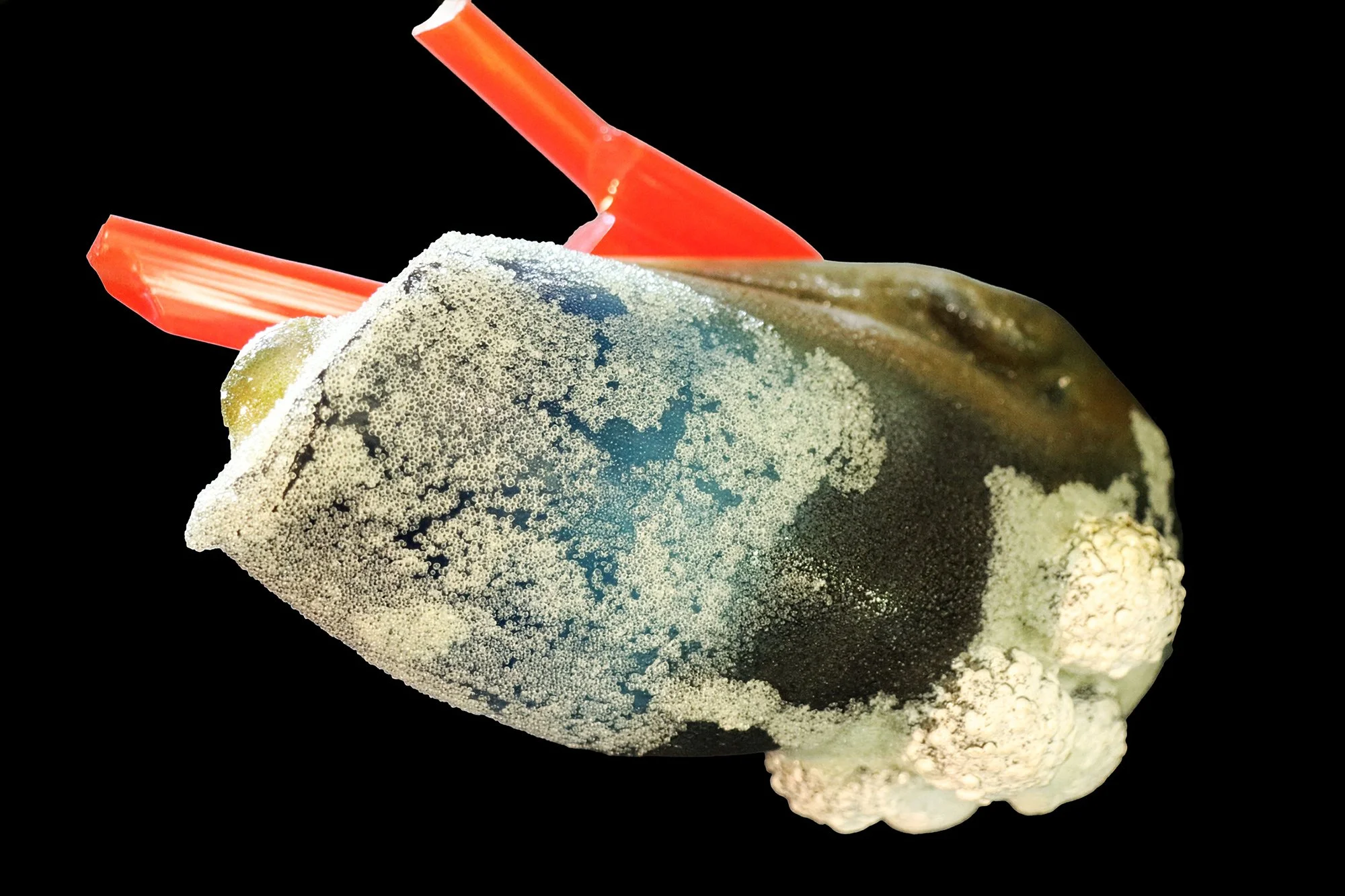
Geologic Object (2025) Glass (Blown, Hot Sculpted, Kiln Re-Cast)
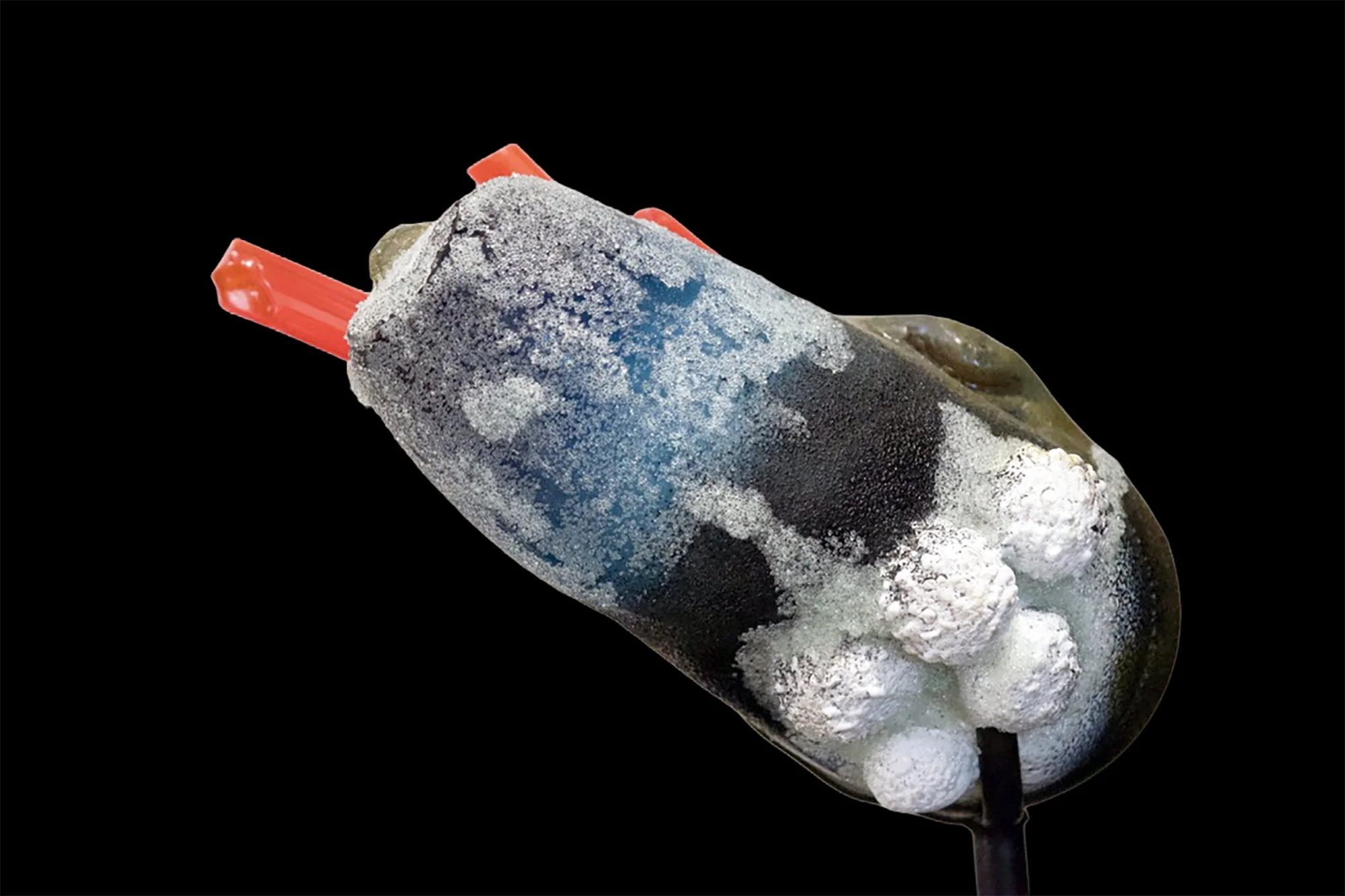
Geologic Object (2025) Glass (Blown, Hot Sculpted, Kiln Re-Cast)
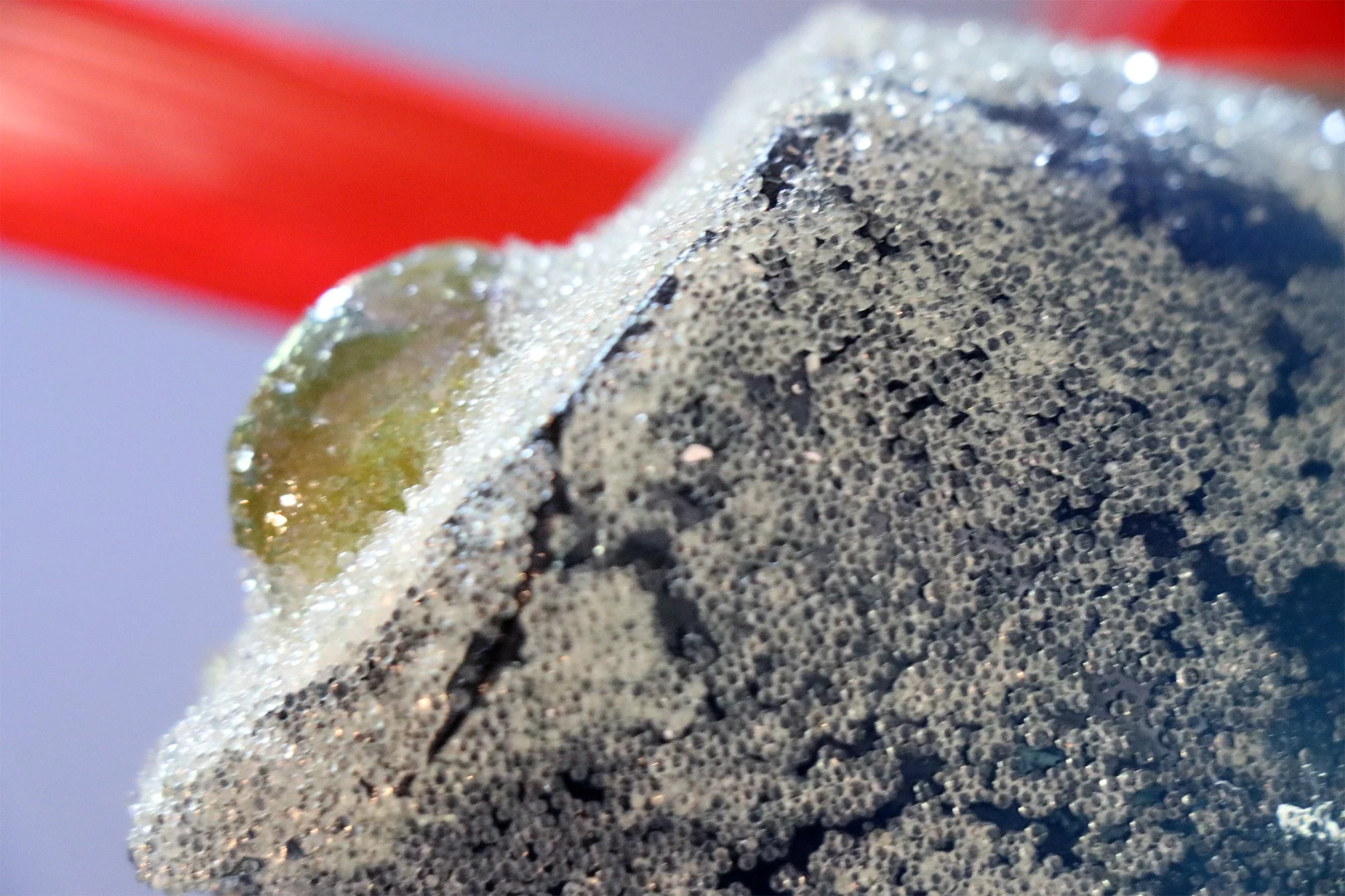
Geologic Object (2025) Glass (Blown, Hot Sculpted, Kiln Re-Cast)
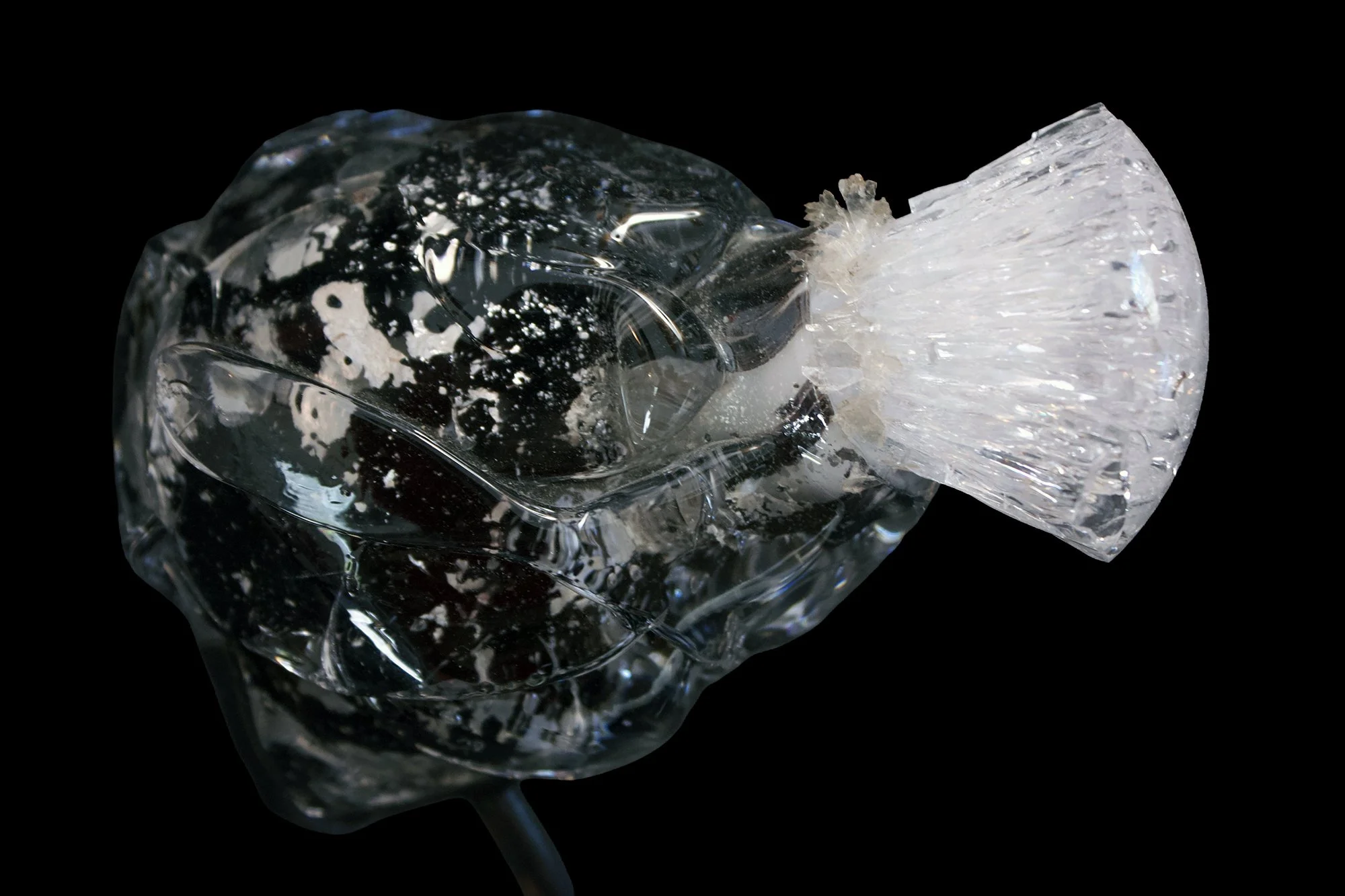
Geologic Object (2025) Glass (Blown, Hot Sculpted, Kiln Re-Cast), Hand-sourced Mica
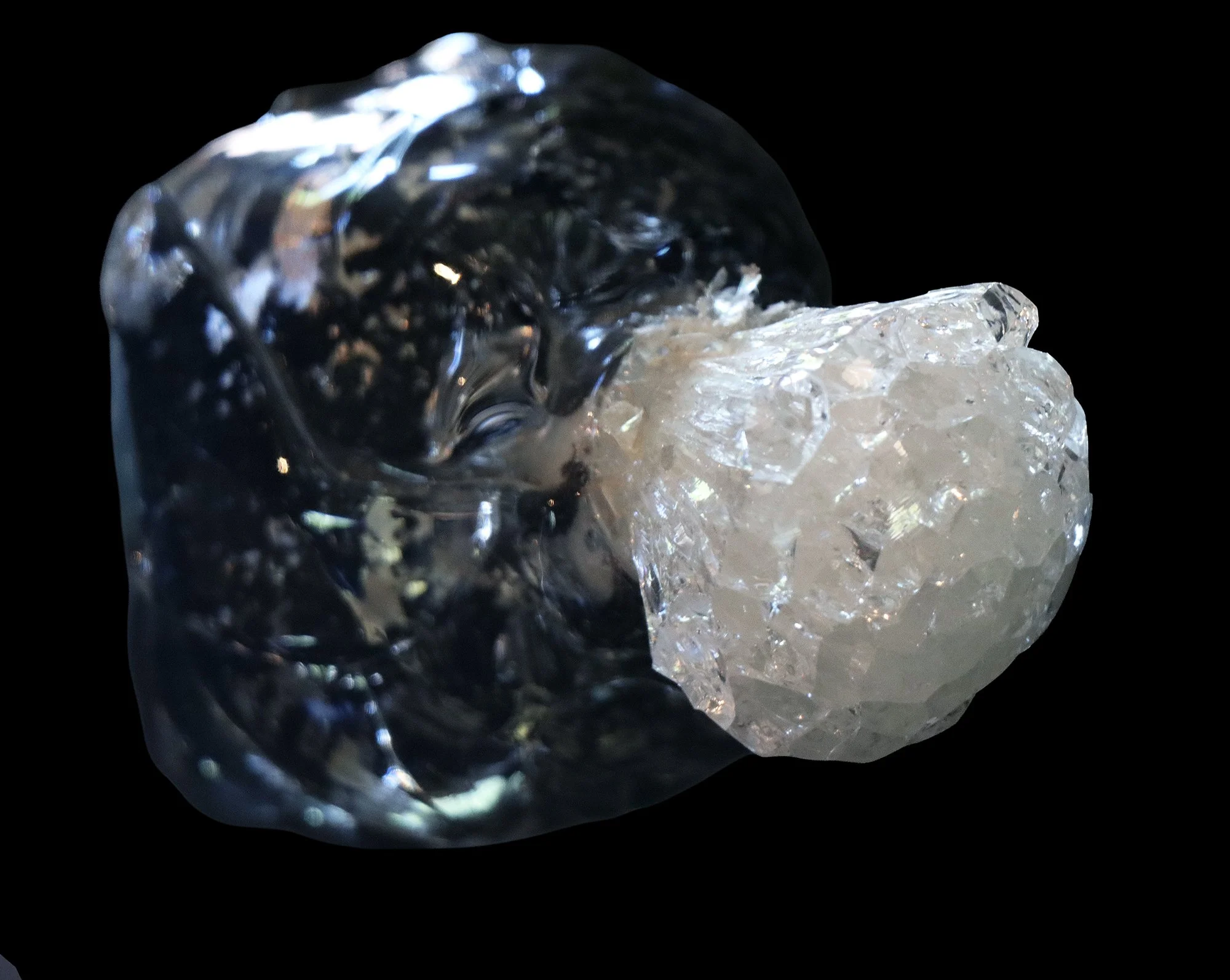
Geologic Object (2025) Glass (Blown, Hot Sculpted, Kiln Re-Cast), Hand-sourced Mica
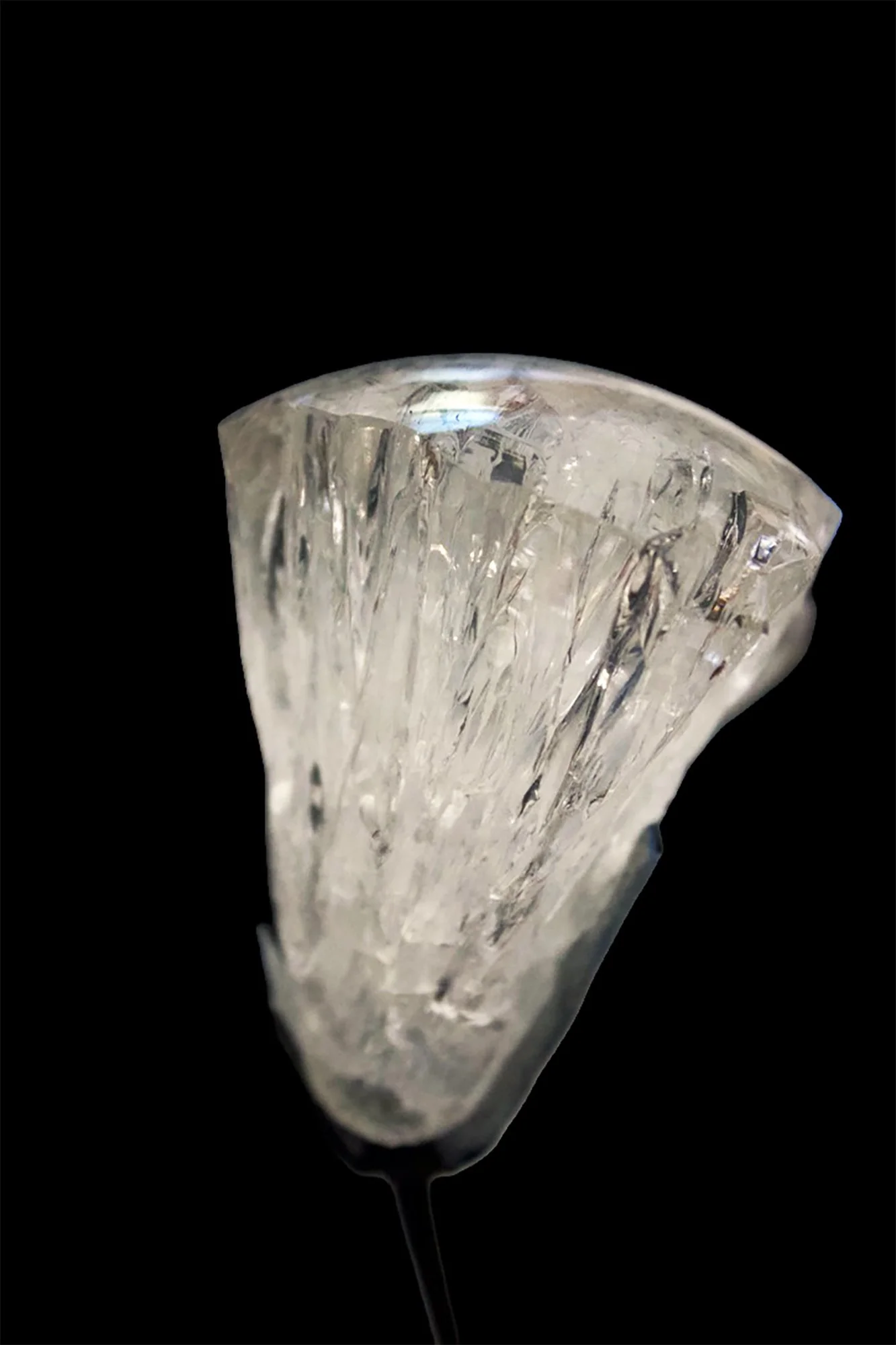
Geologic Object (2025) Glass (Hot formed and Exploded)
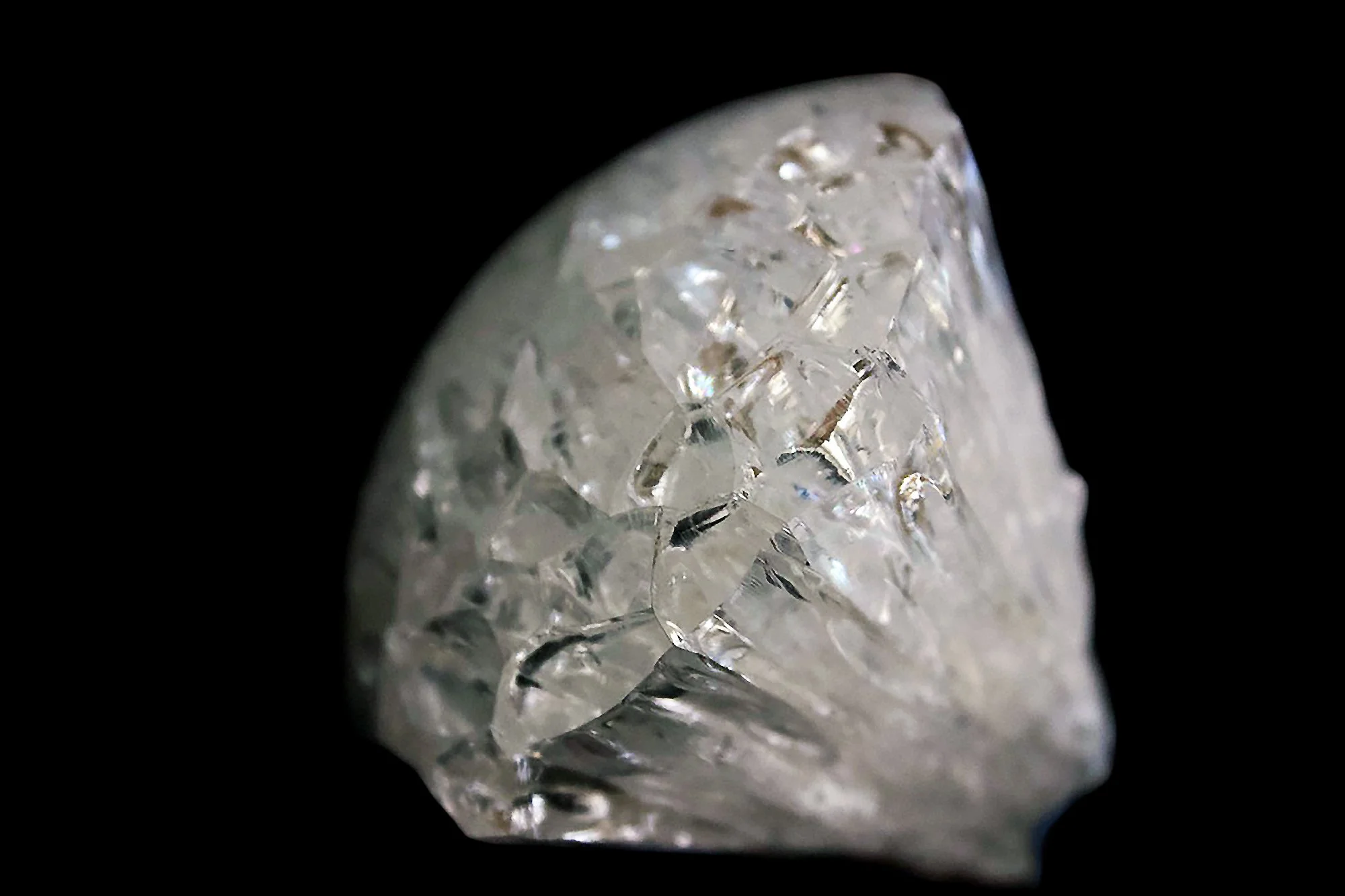
Geologic Object (2025) Glass (Hot formed and Exploded)
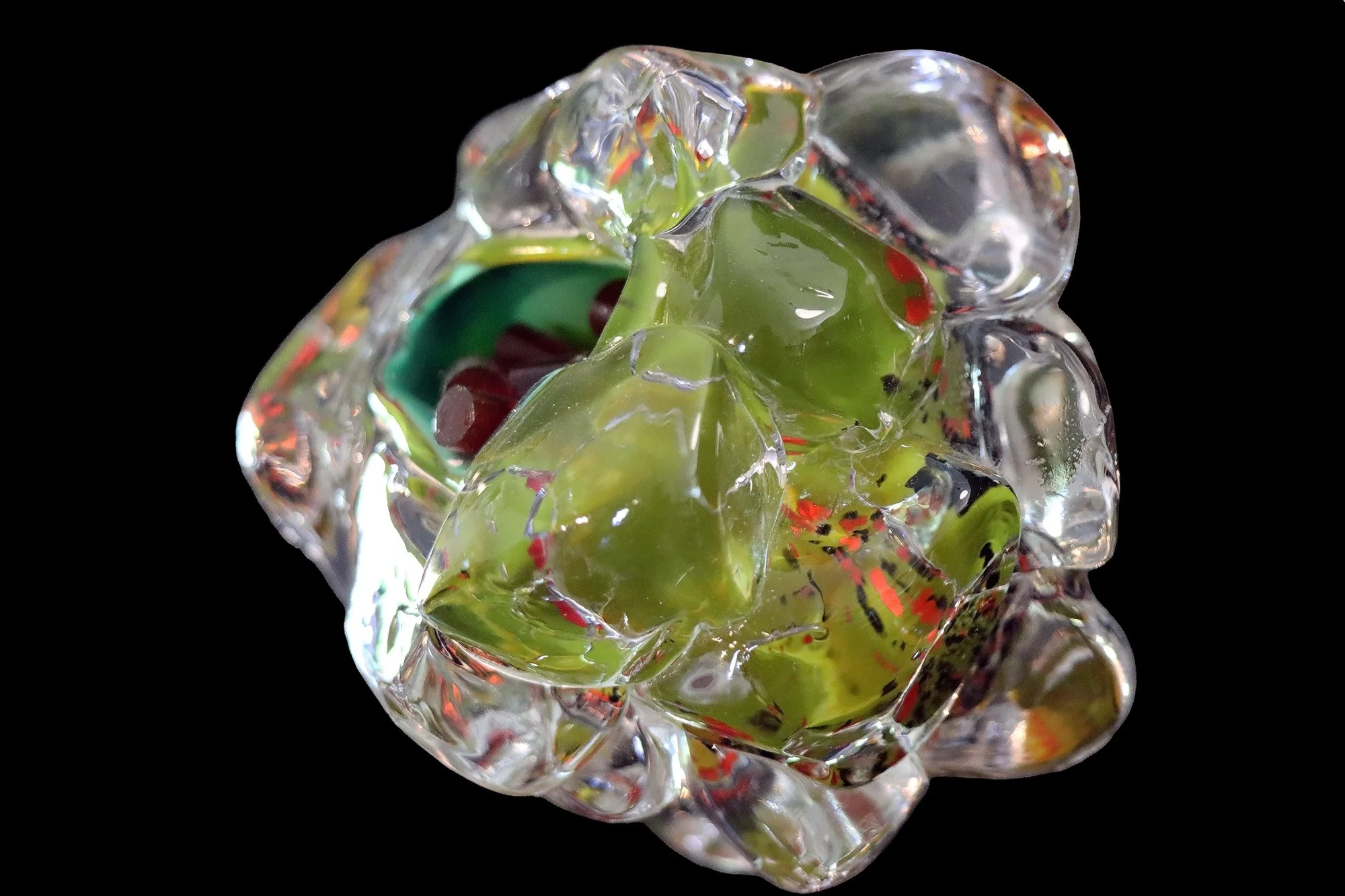
Geologic Object (2025) Glass (Blown, Hot Sculpted, Kiln Re-Cast)
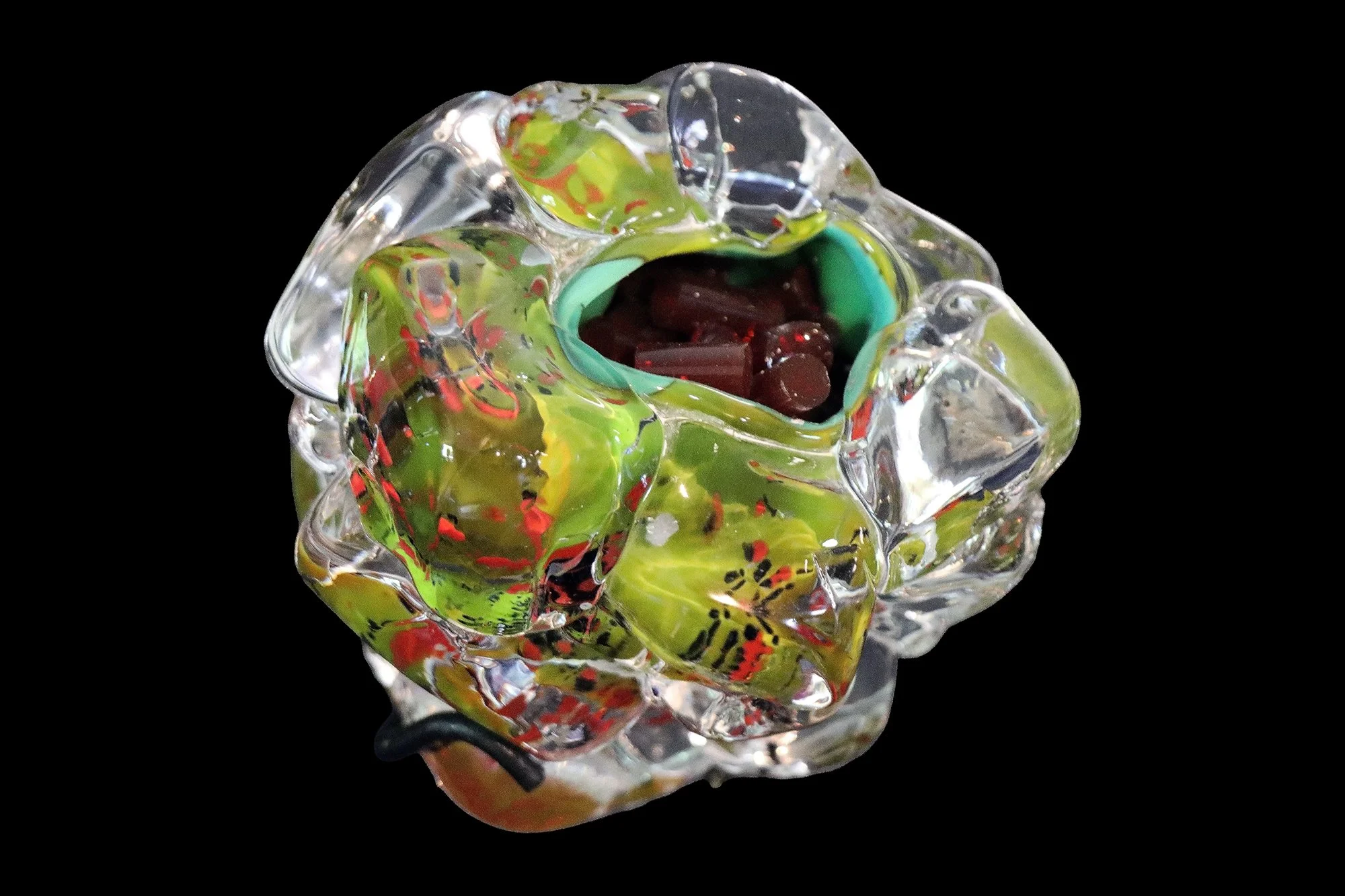
Geologic Object (2025) Glass (Blown, Hot Sculpted, Kiln Re-Cast)
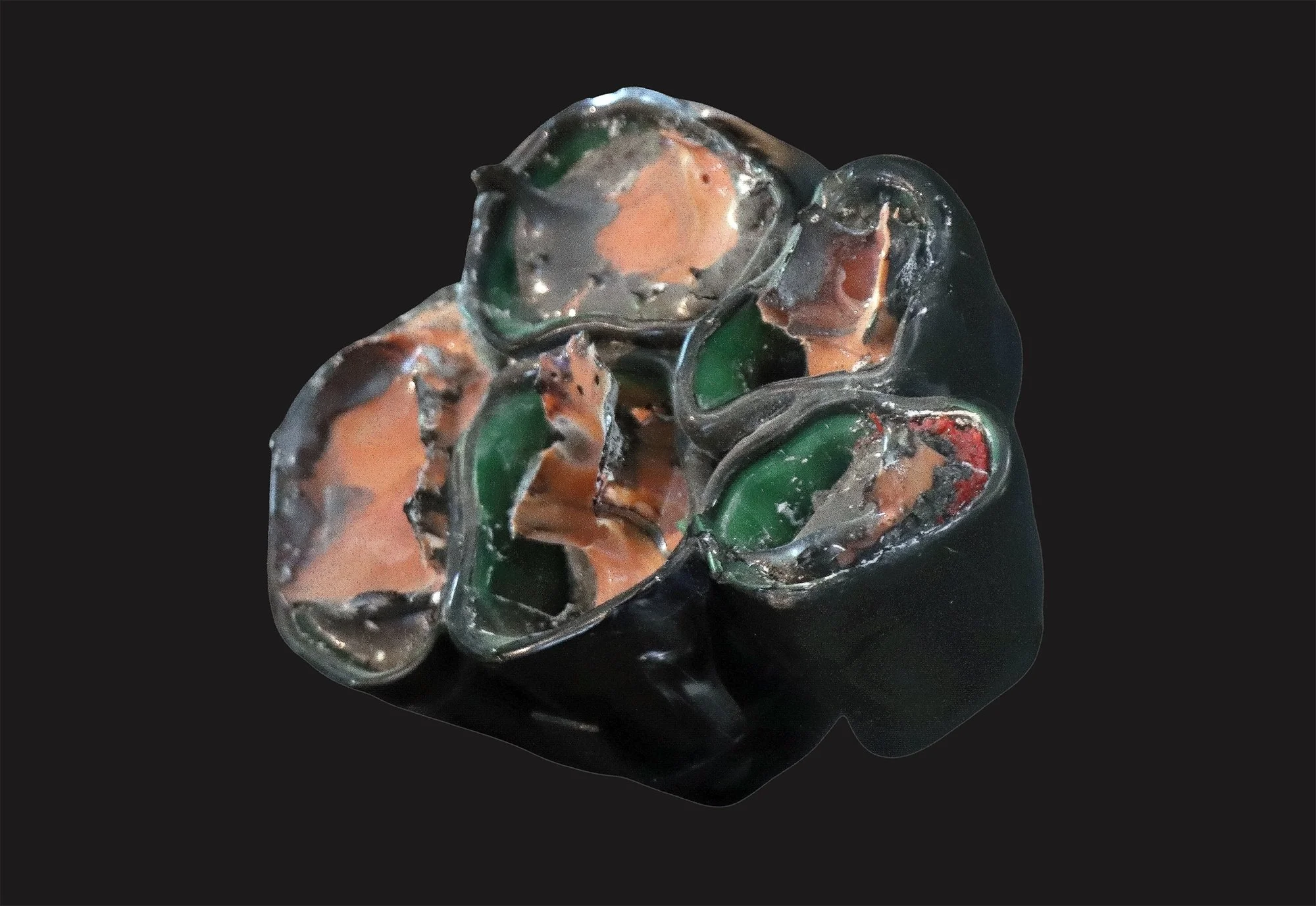
Geologic Object (2025) Glass (Blown, Hot Sculpted, Kiln Re-Cast)
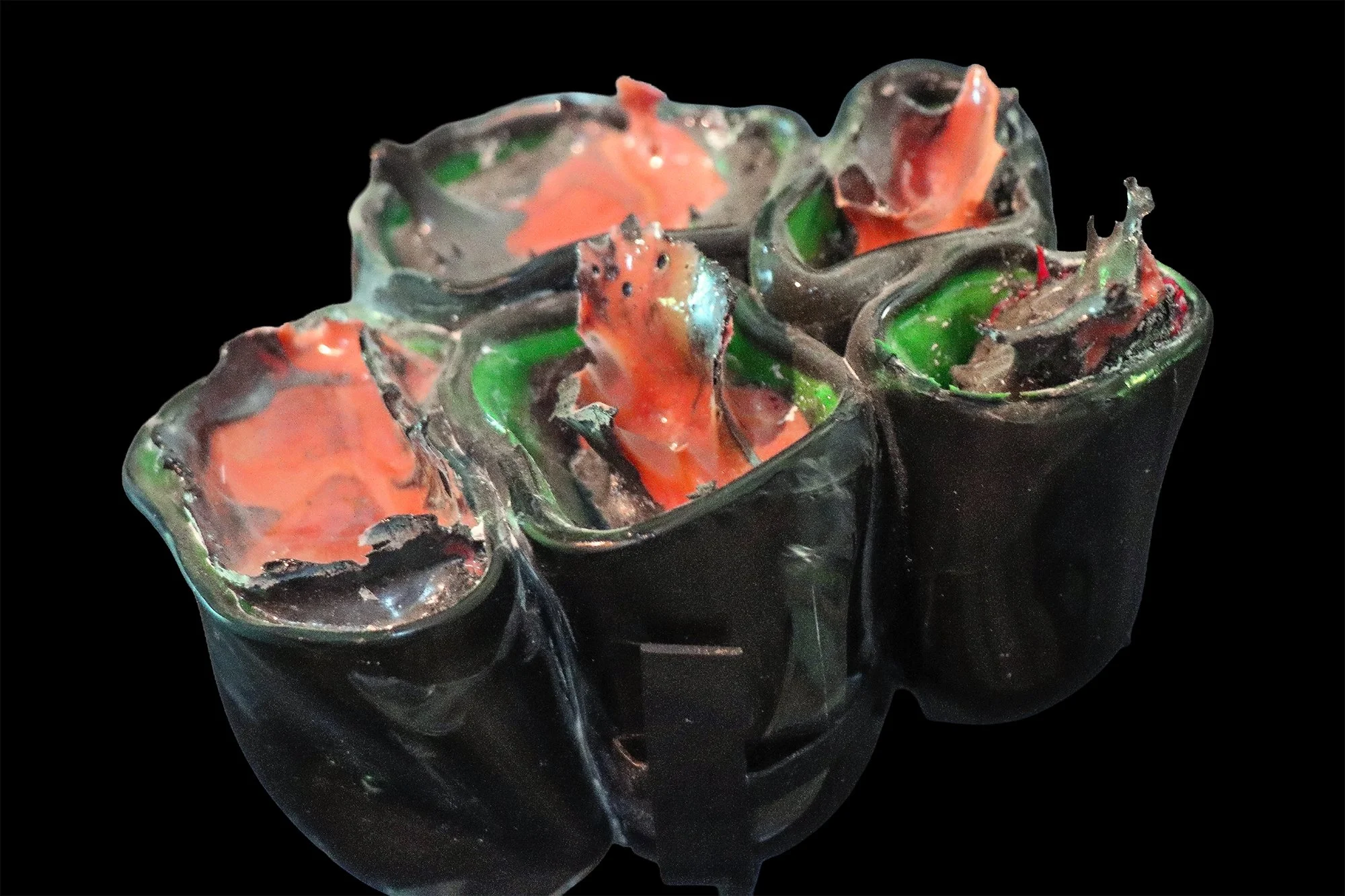
Geologic Object (2025) Glass (Blown, Hot Sculpted, Kiln Re-Cast)
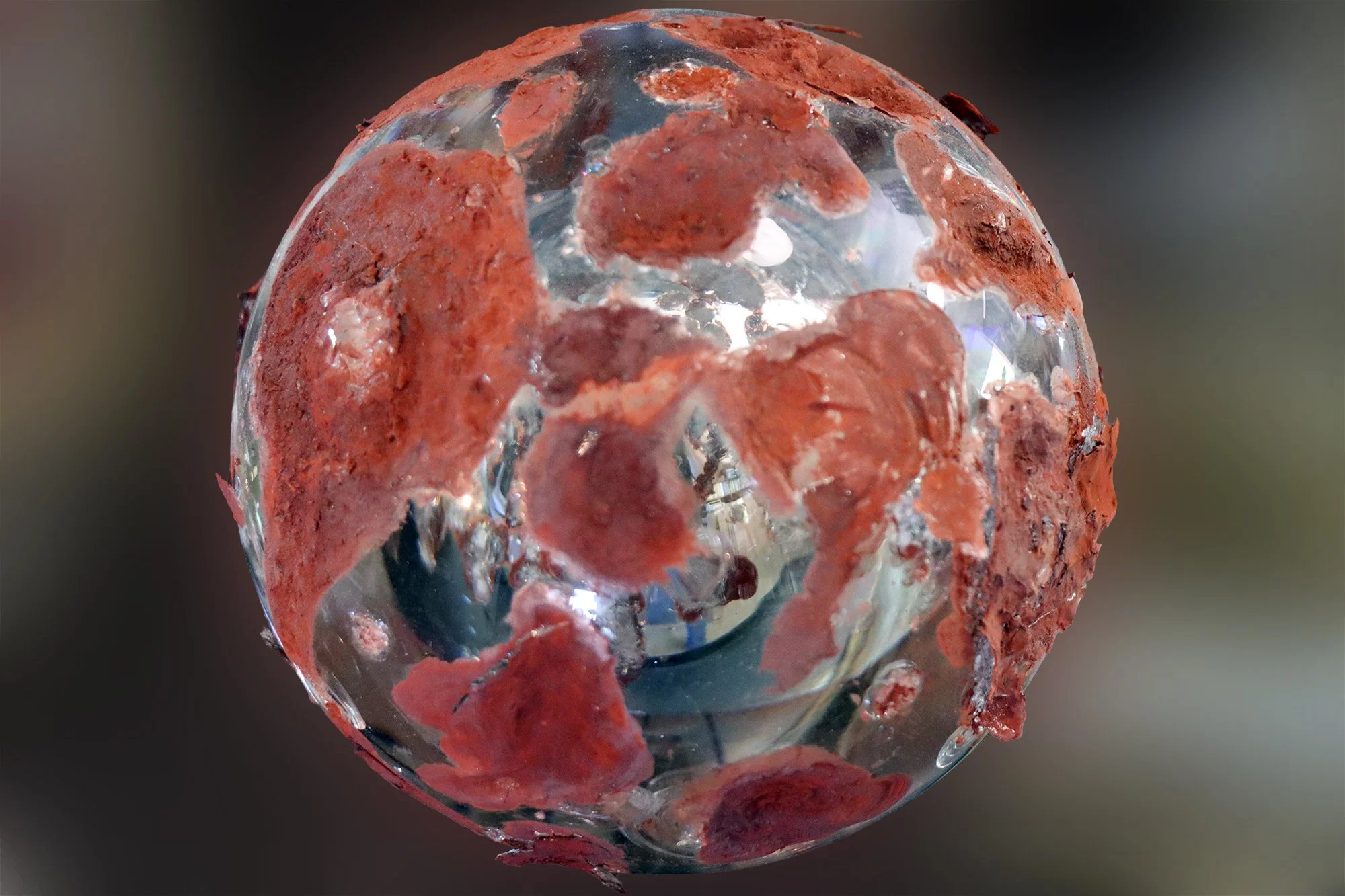
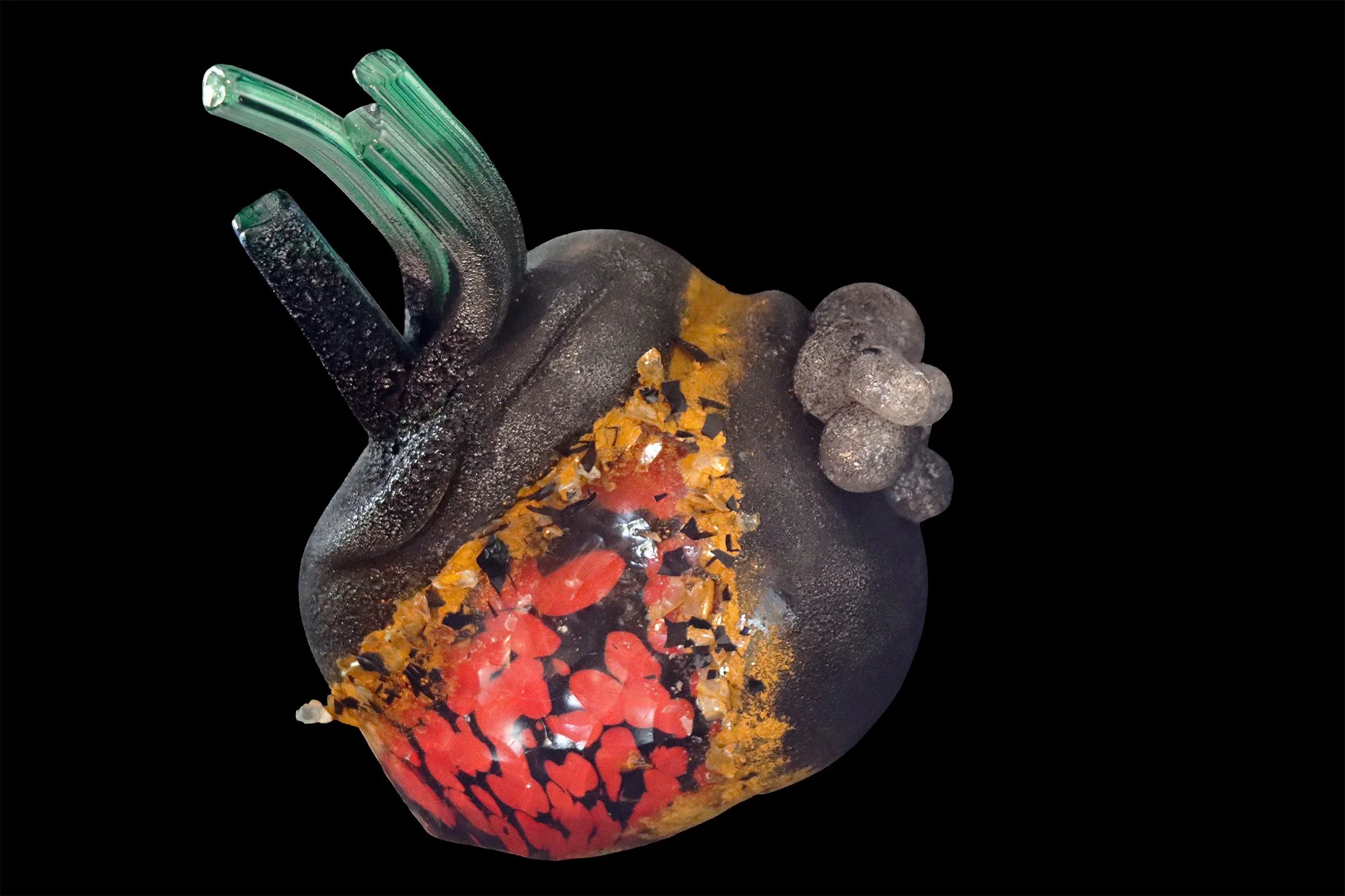
Impact Object (2025) Glass, Silver, Iron Oxide
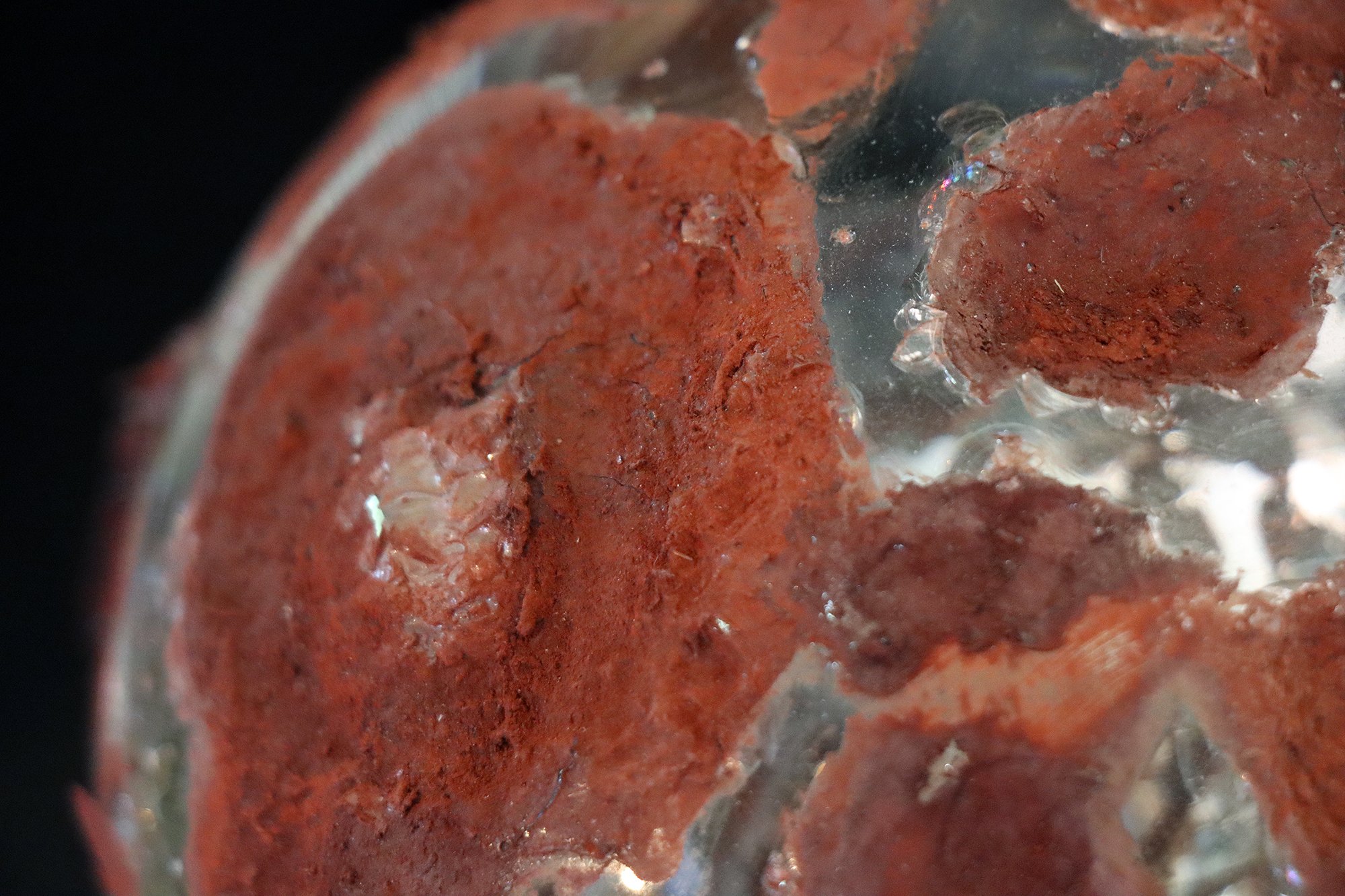
Impact Object (2025) Glass, Silver, Iron Oxide
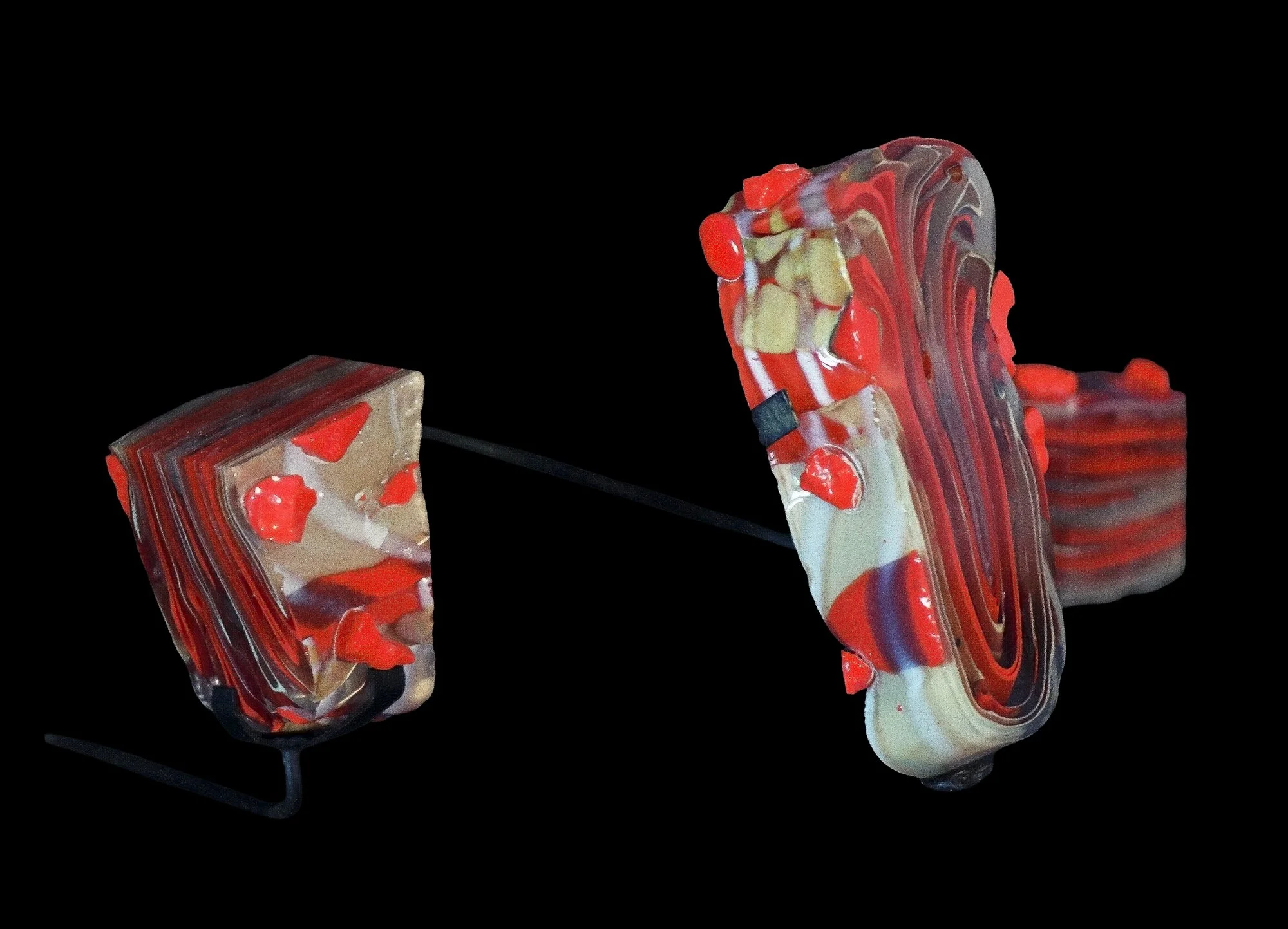
Geologic Object 2025 Glass
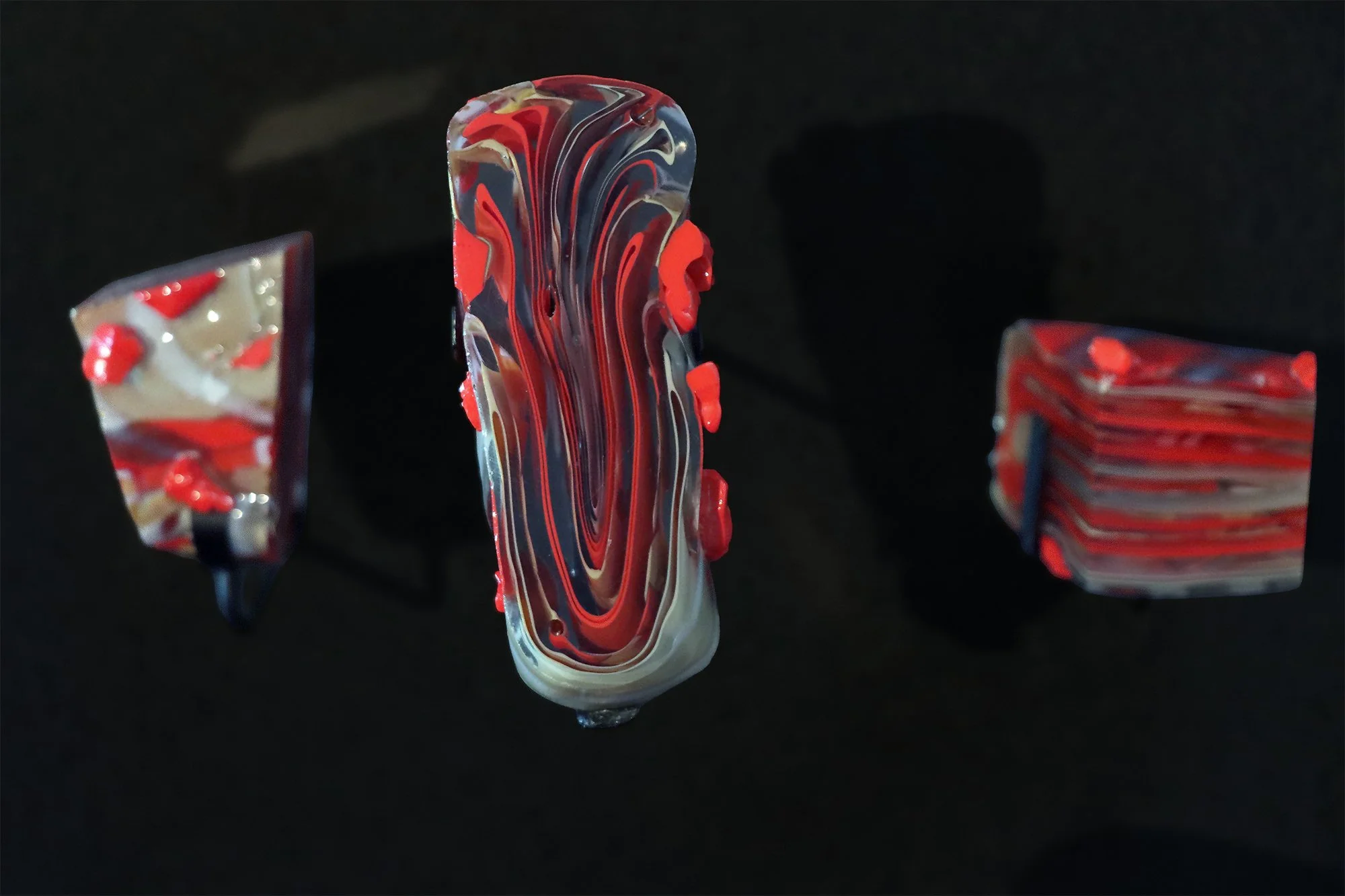
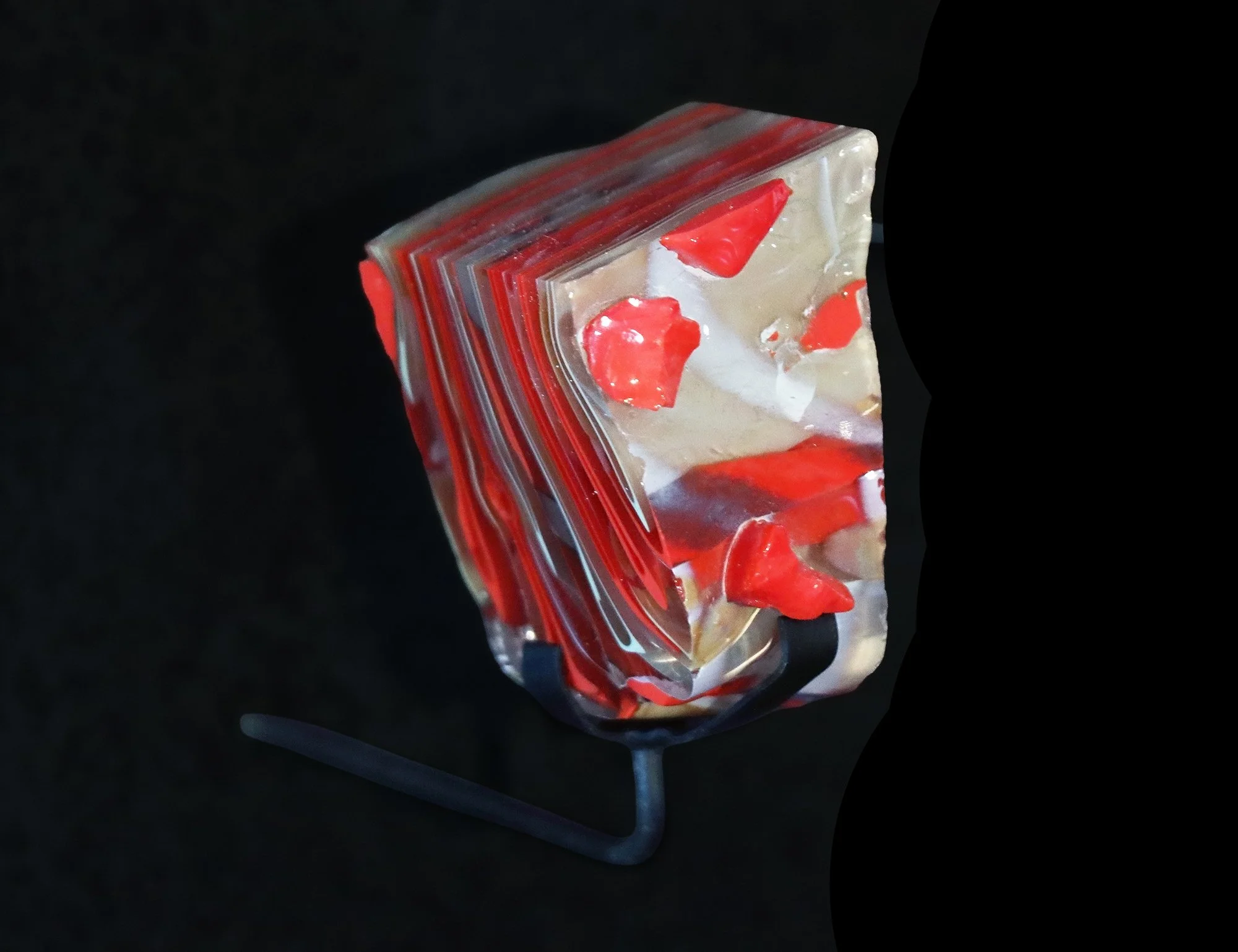
Geologic Object (2025) Glass (Hot-formed, Cold-ground, Kiln Re-cast), Hand-sourced Mica
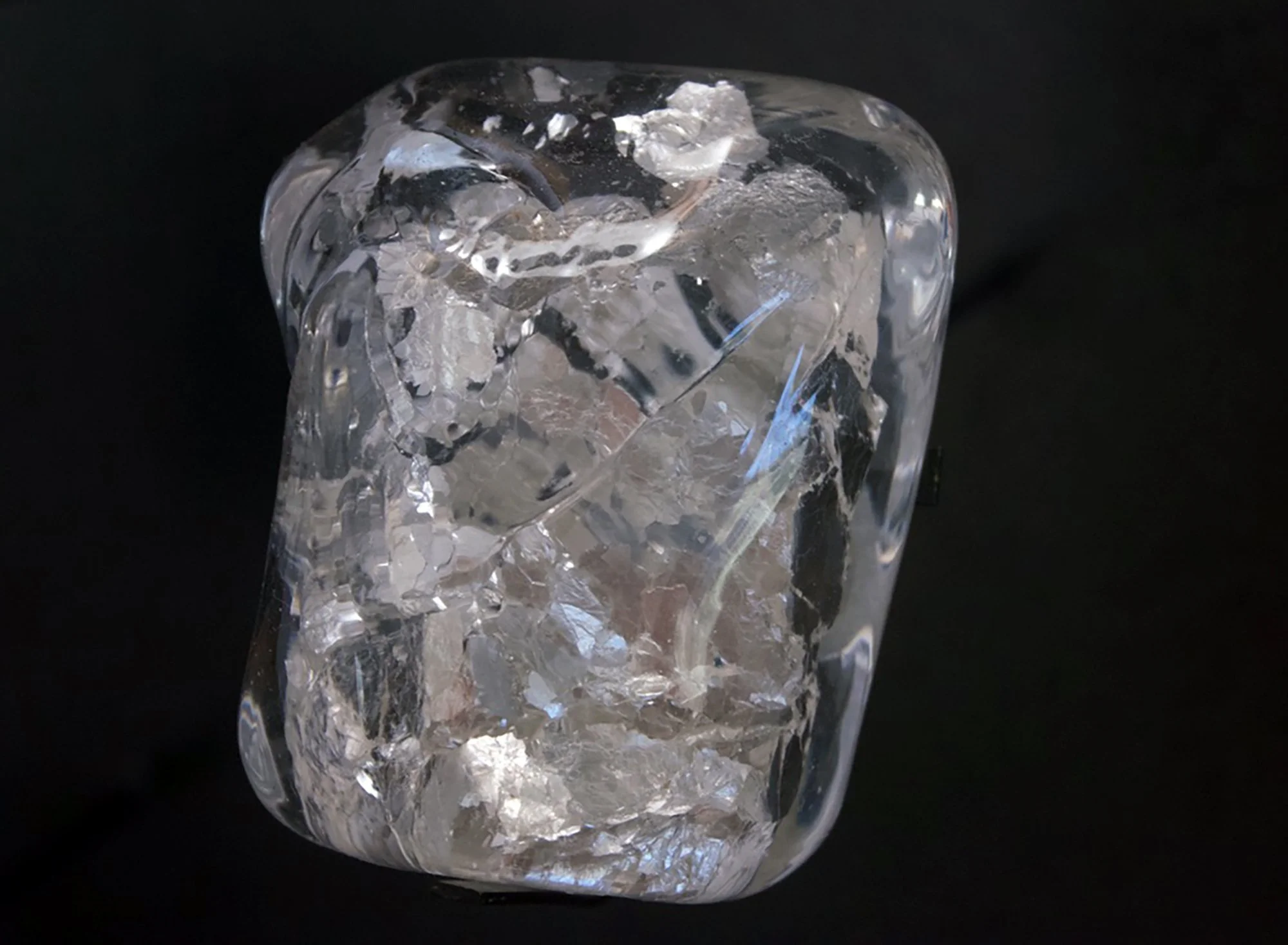
Geologic Object (2025) Glass, Hand-sourced Mica
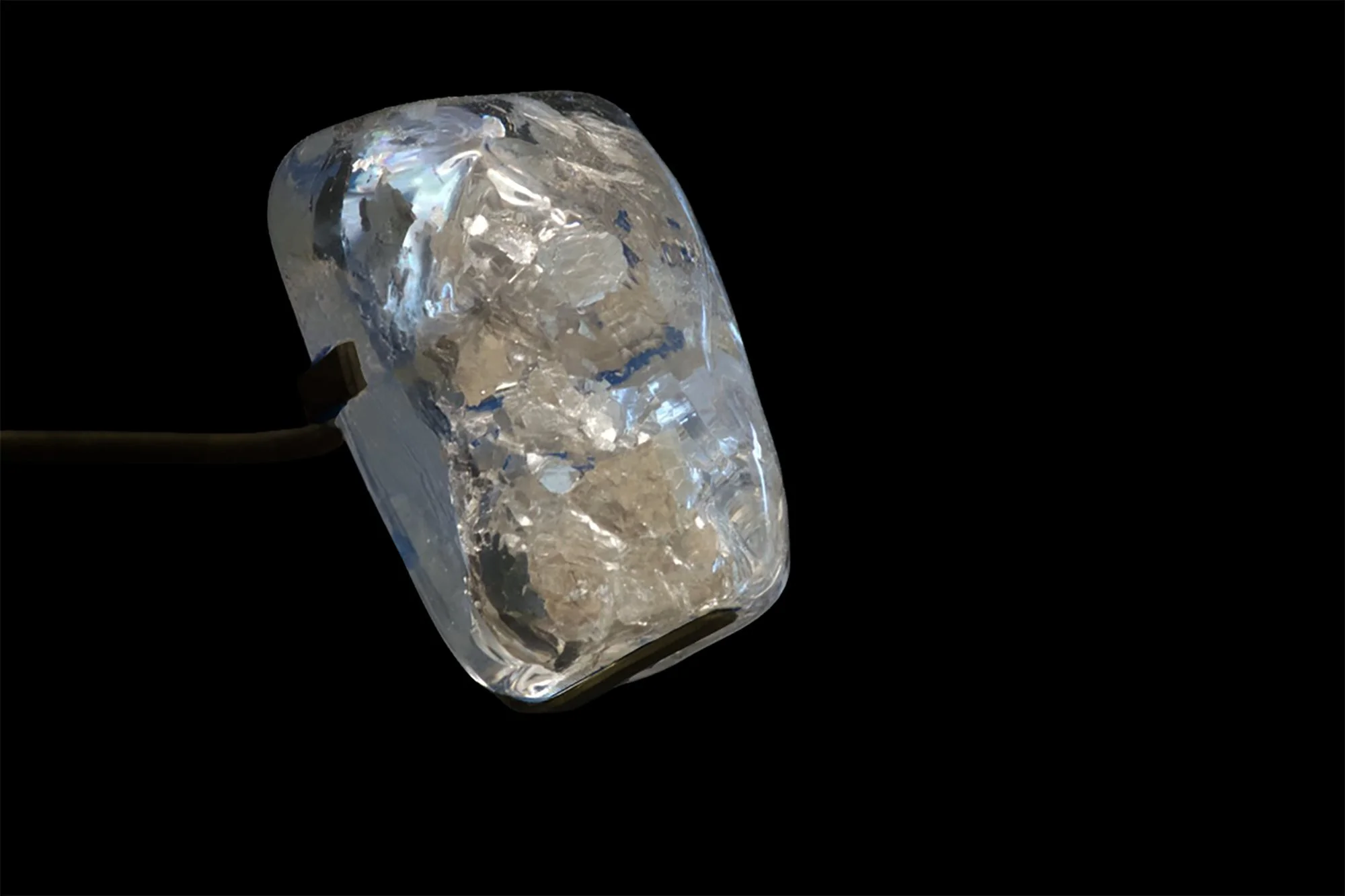
Geologic Object (2025) Glass, Hand-sourced Mica
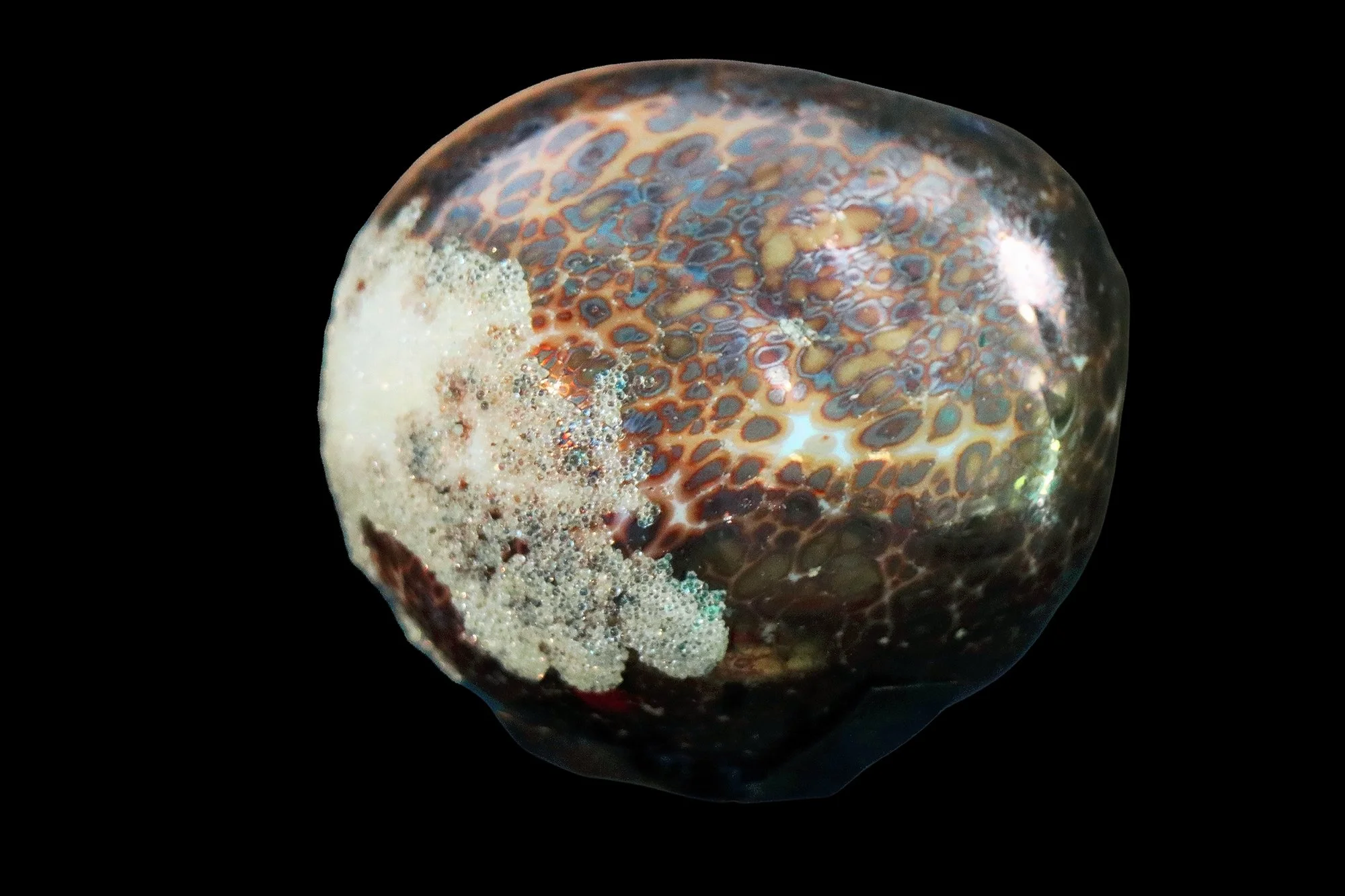
Geologic Object (2025) Glass
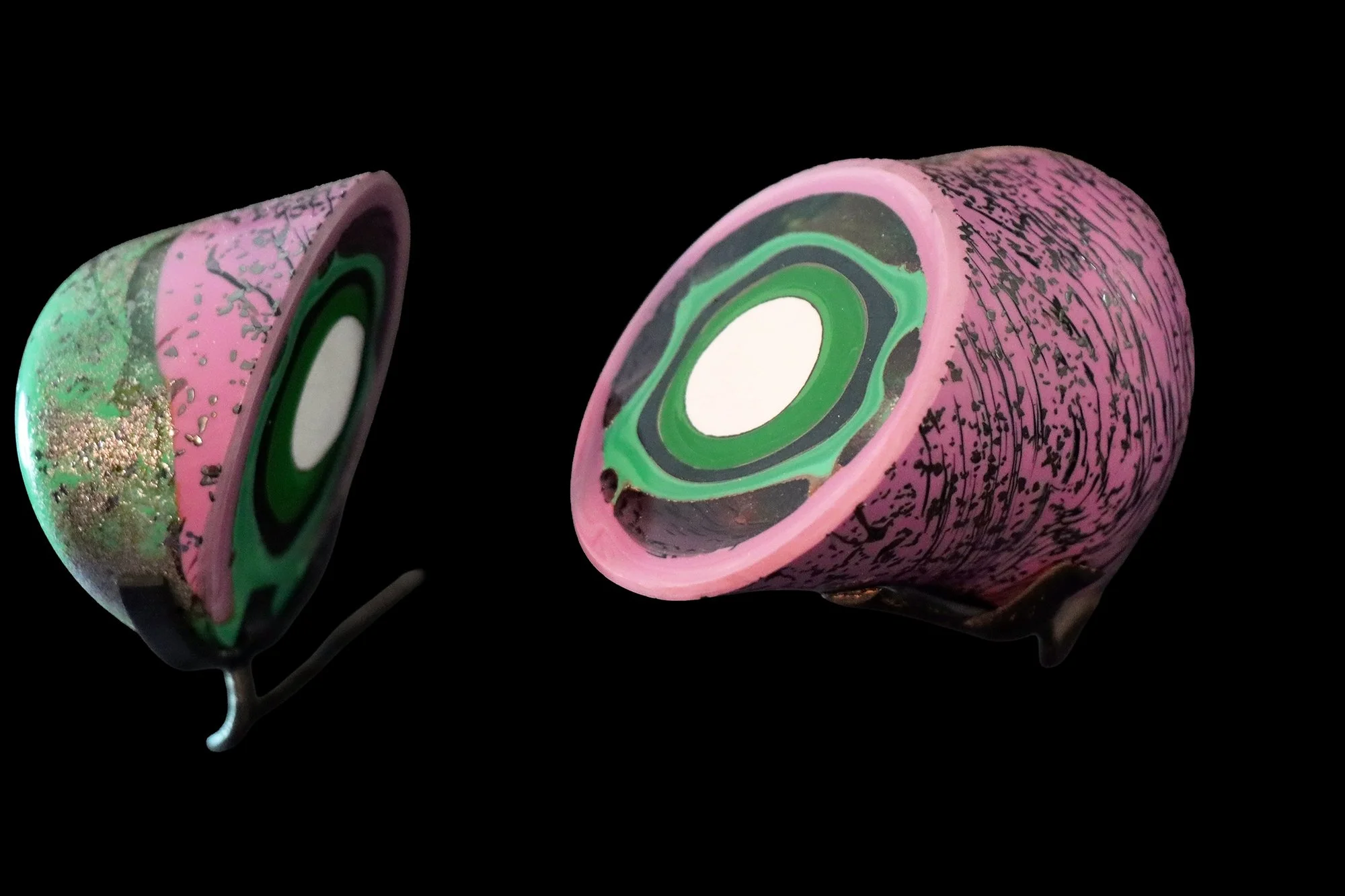
Geologic Object (2025) Glass
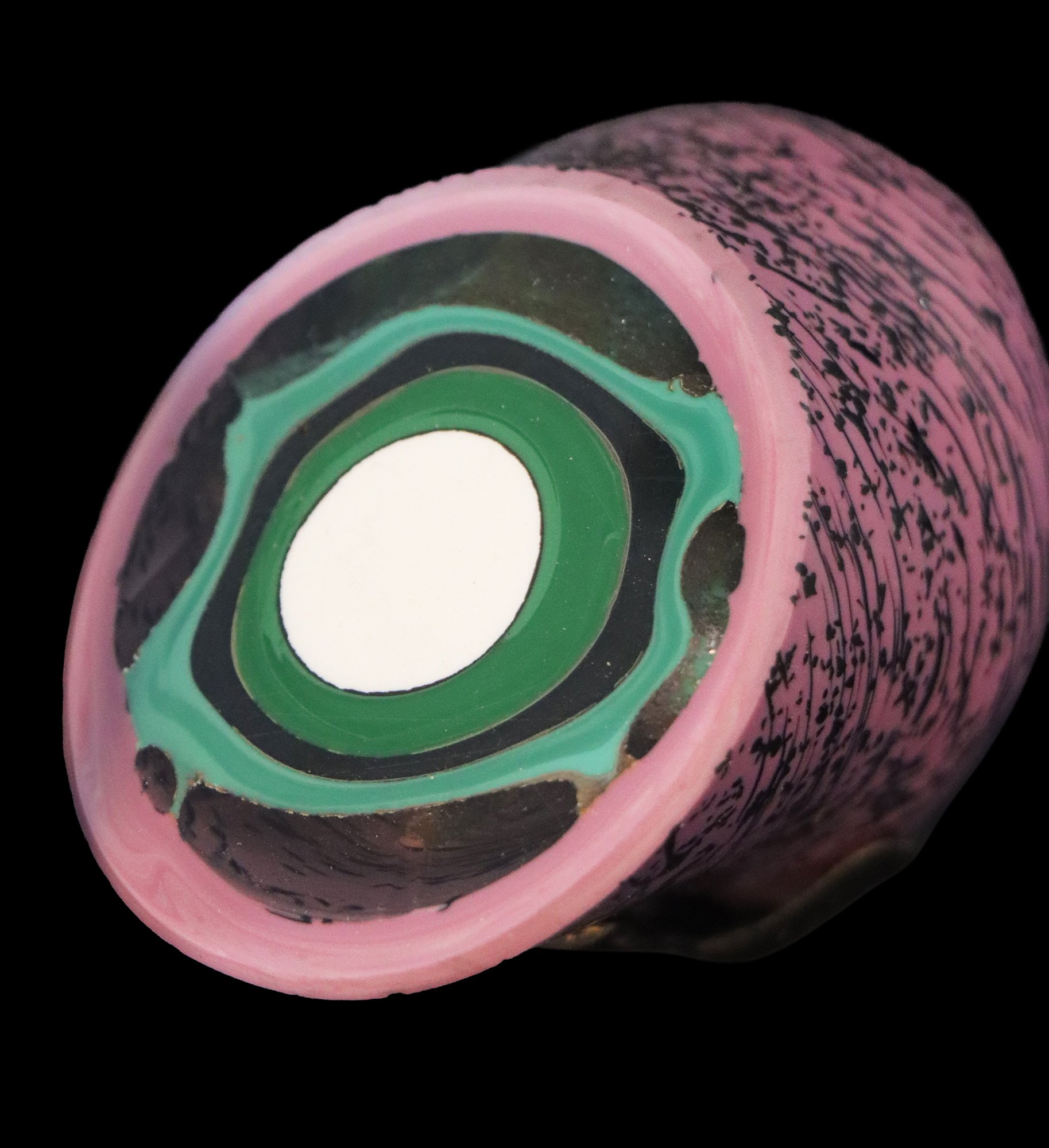
Geologic Object (2025) Glass
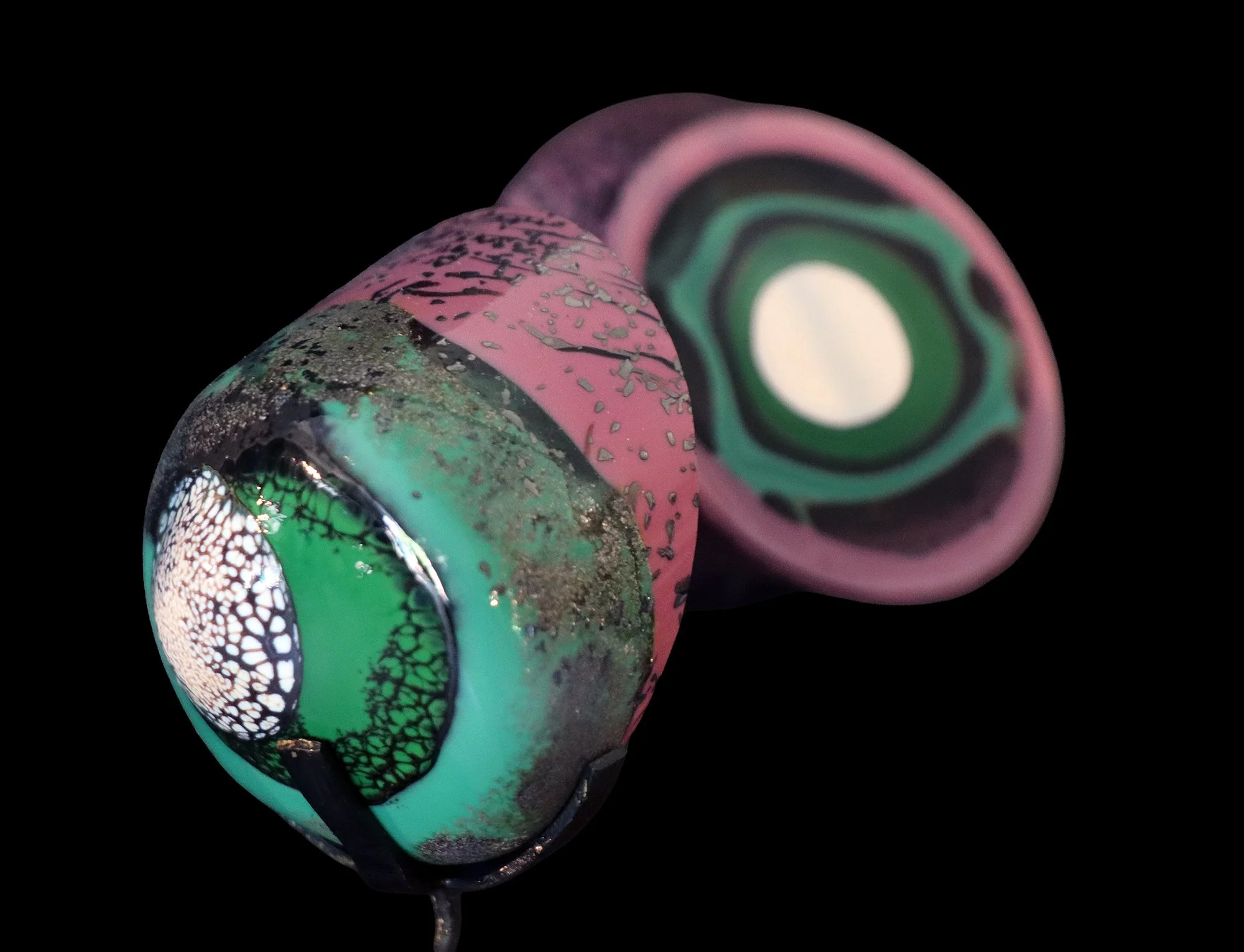
Geologic Object (2025) Glass
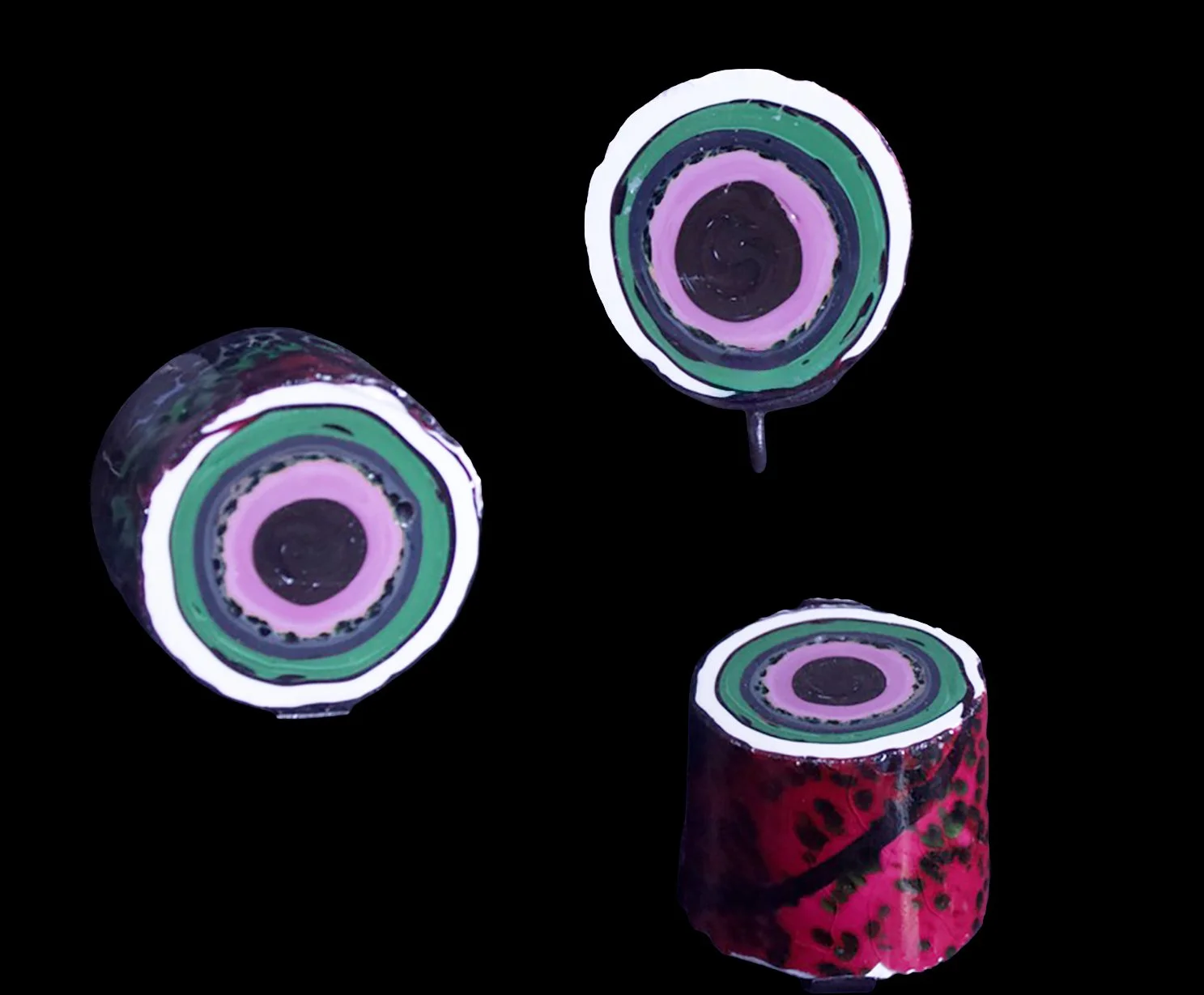
Geologic Object (2025) Glass
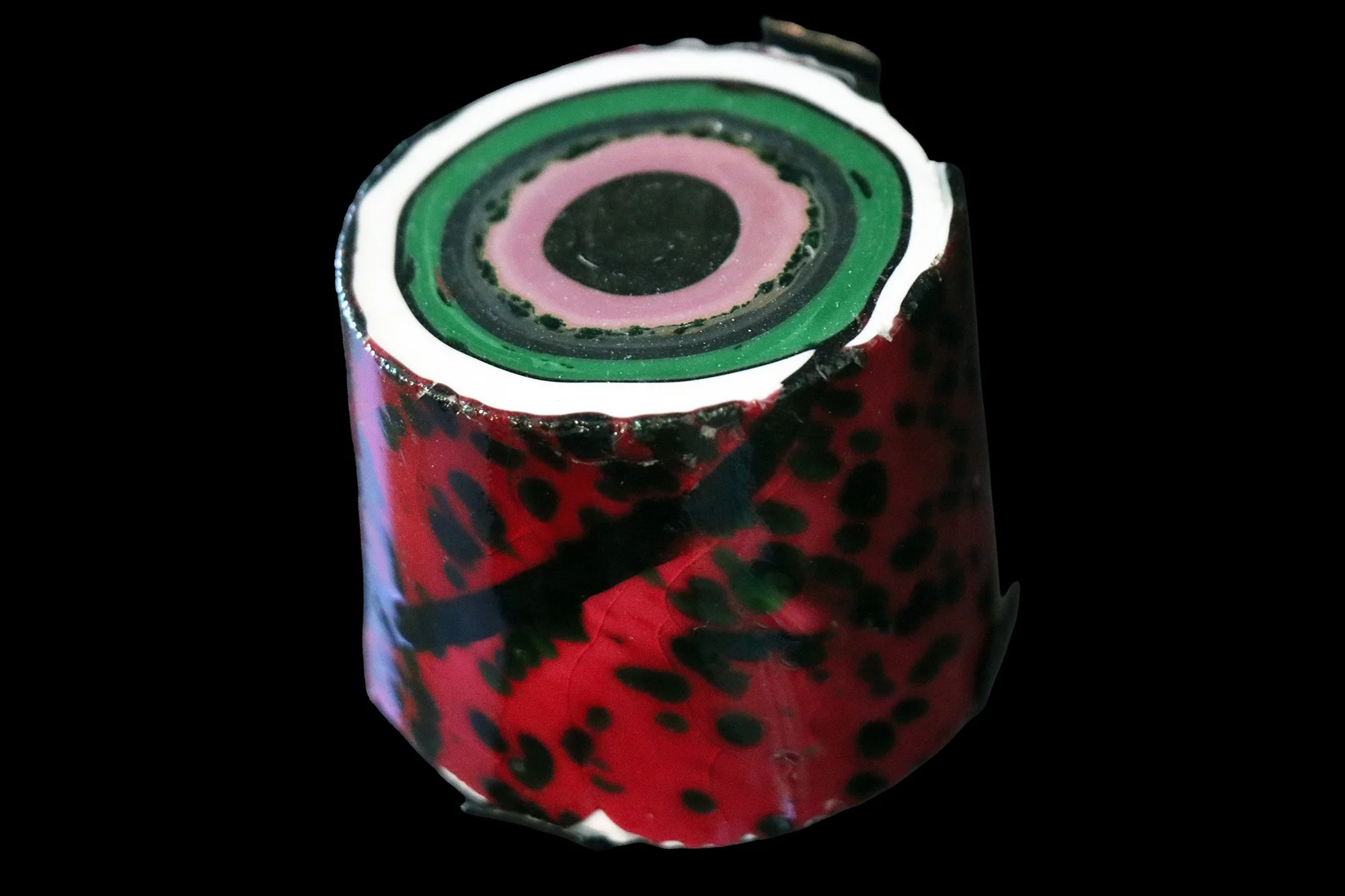
Geologic Object (2025) Glass
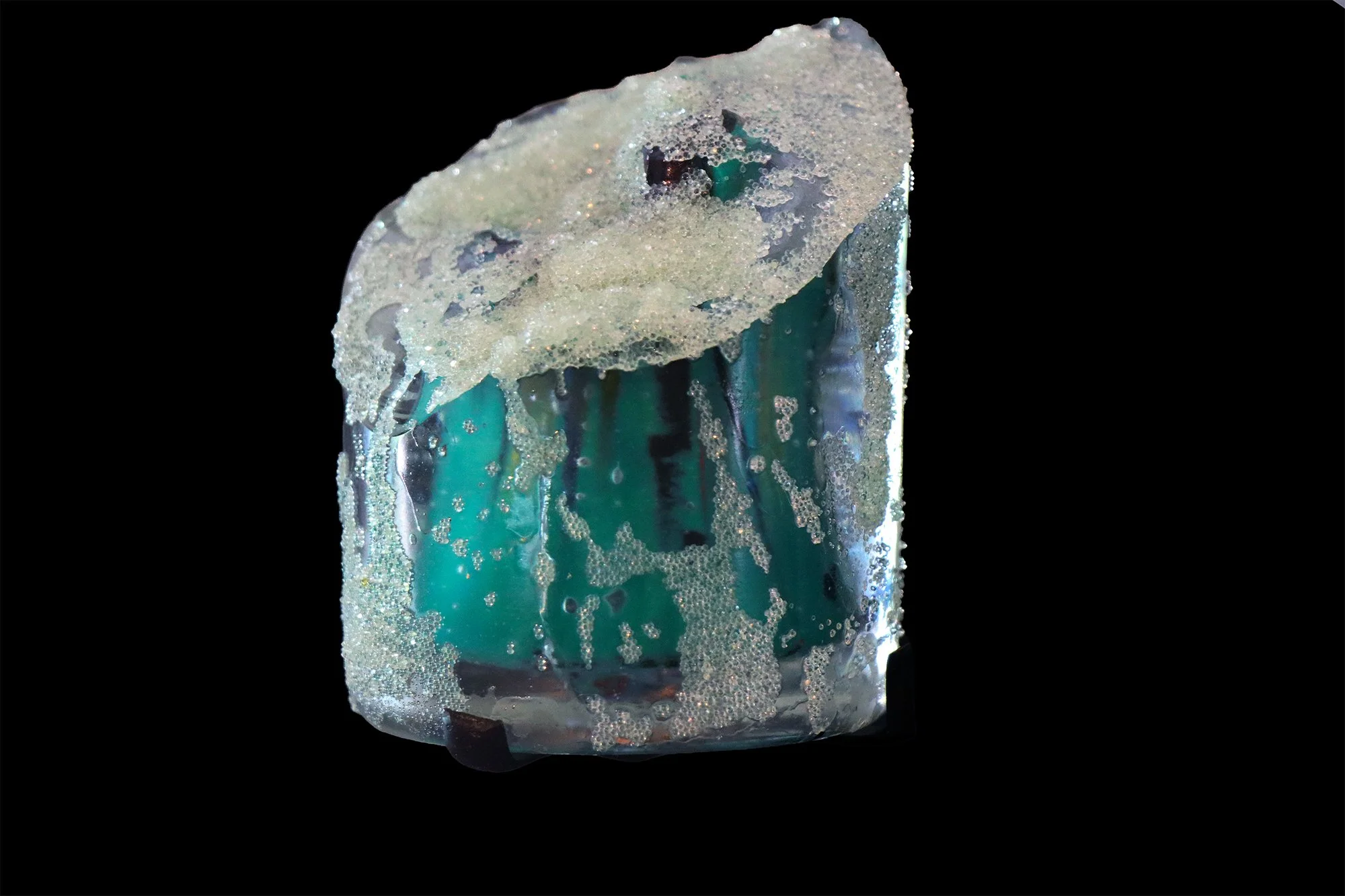
Geologic Object (2025) Glass
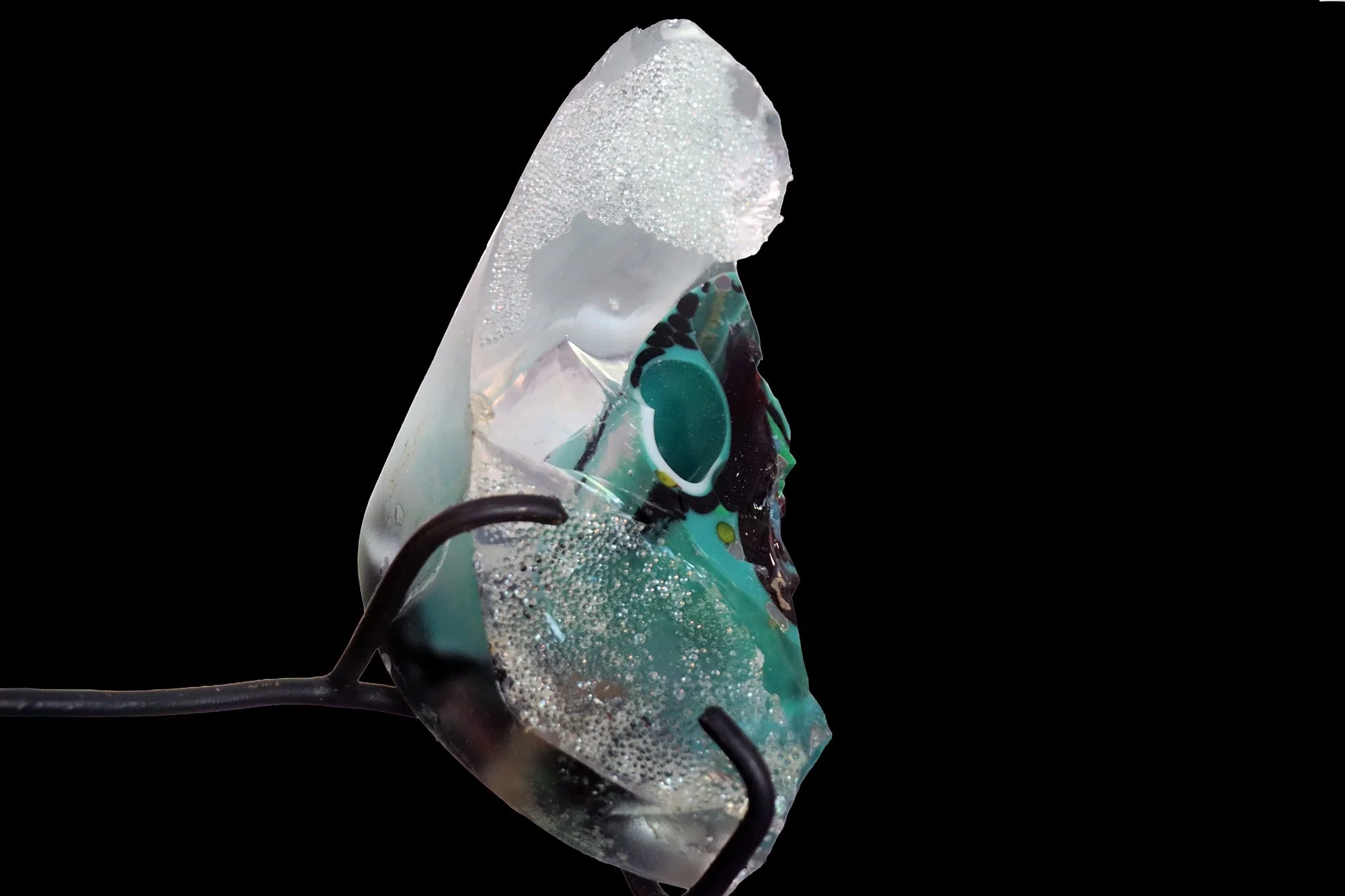
Geologic Object (2025) Glass
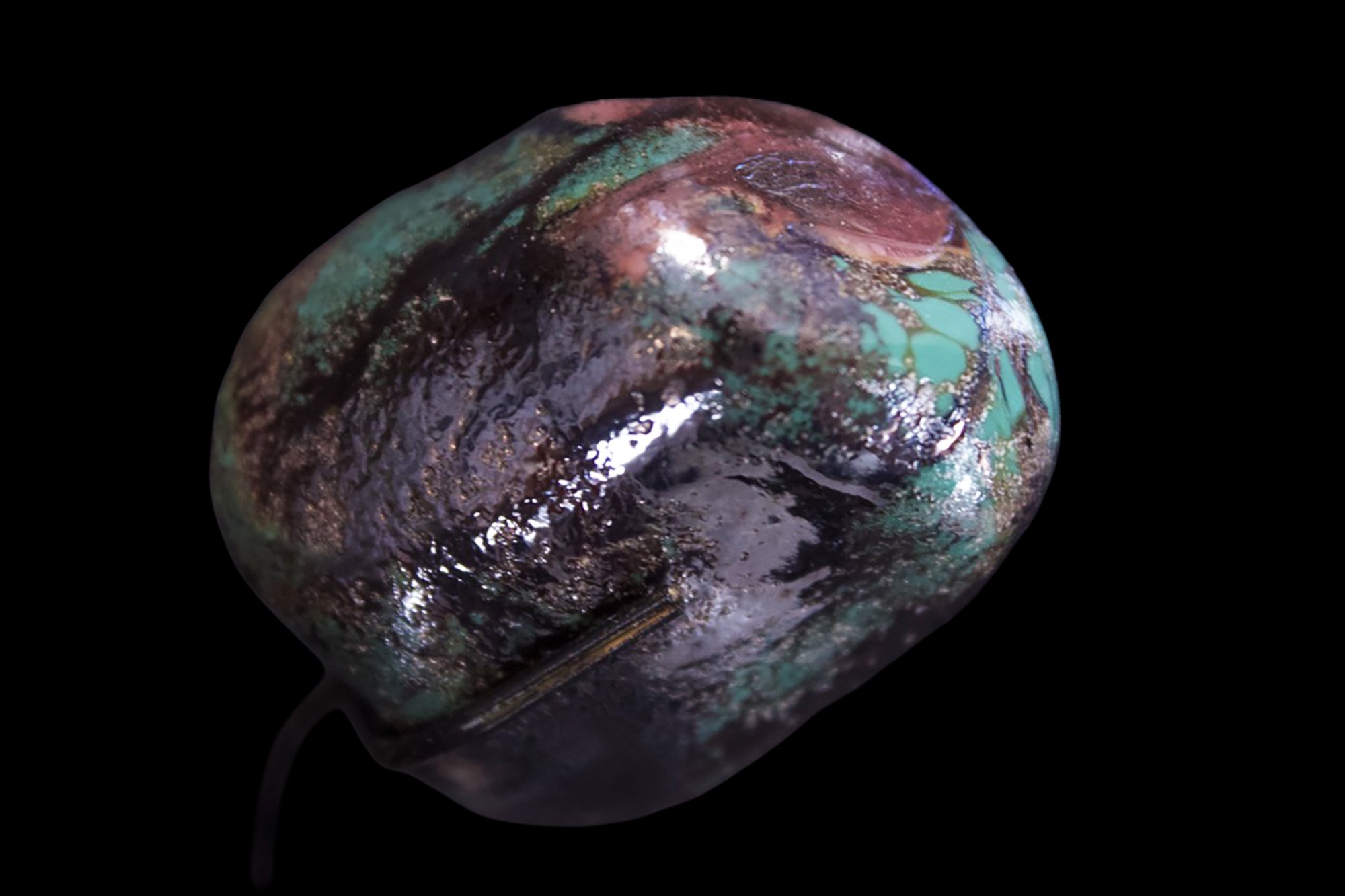
Geologic Object (2025) Glass
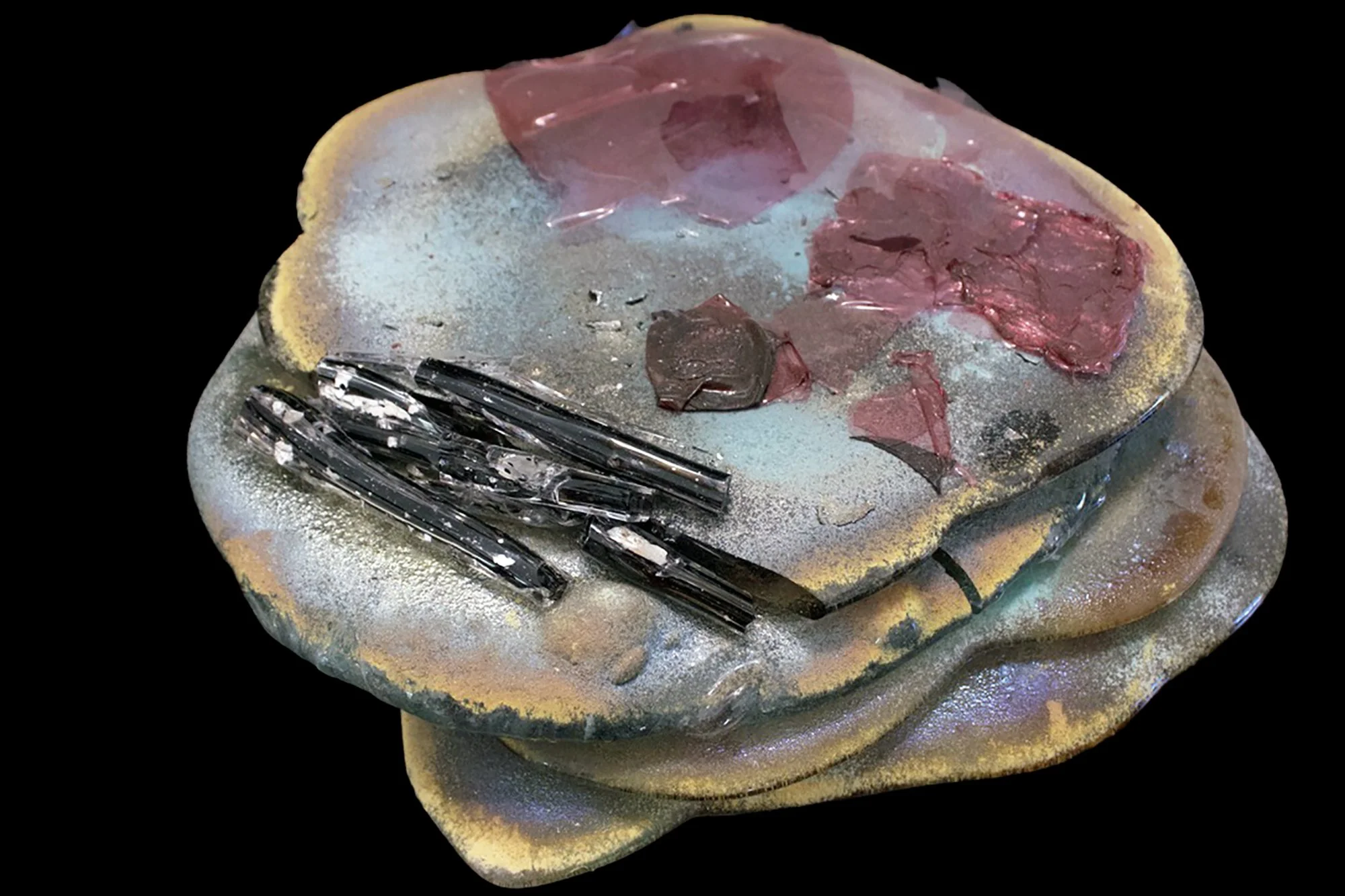
Geologic Pile (2025) Glass (Hot-cast, Hot-worked) Hand-sourced Mica
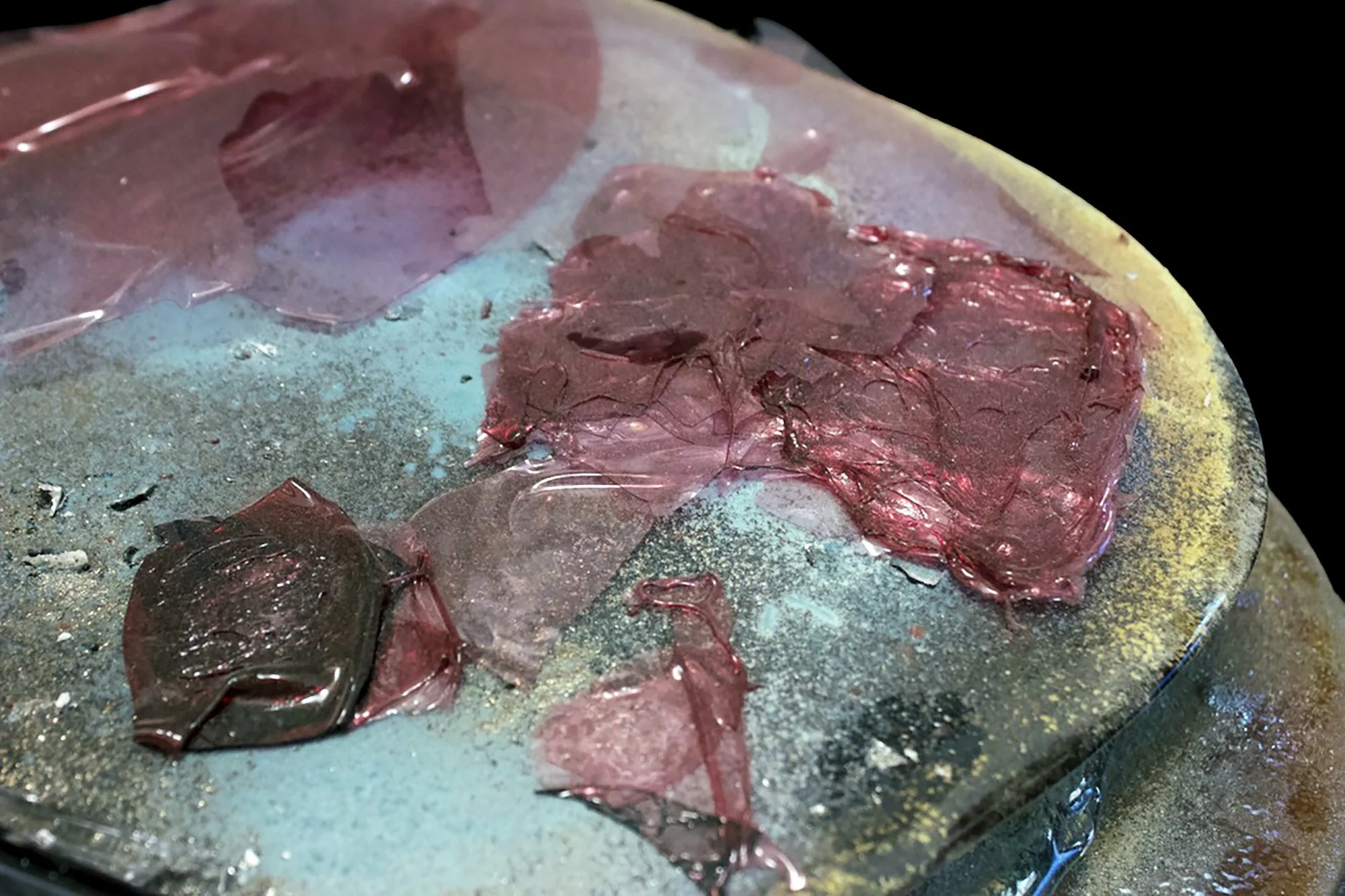
Geologic Pile (2025) Glass (Hot-cast, Hot-worked) Hand-sourced Mica
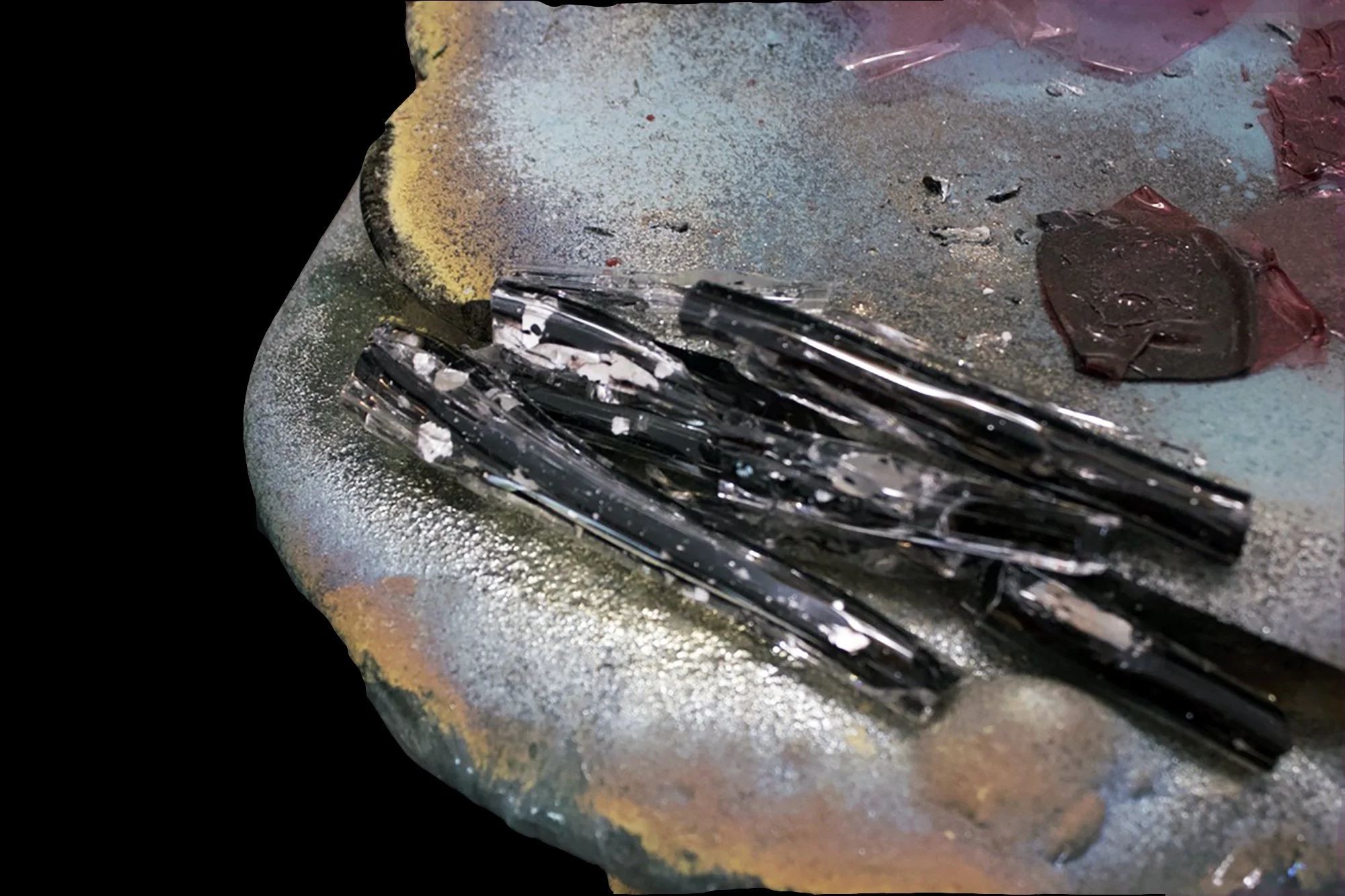
Geologic Pile (2025) Glass (Hot-cast, Hot-worked) Hand-sourced Mica
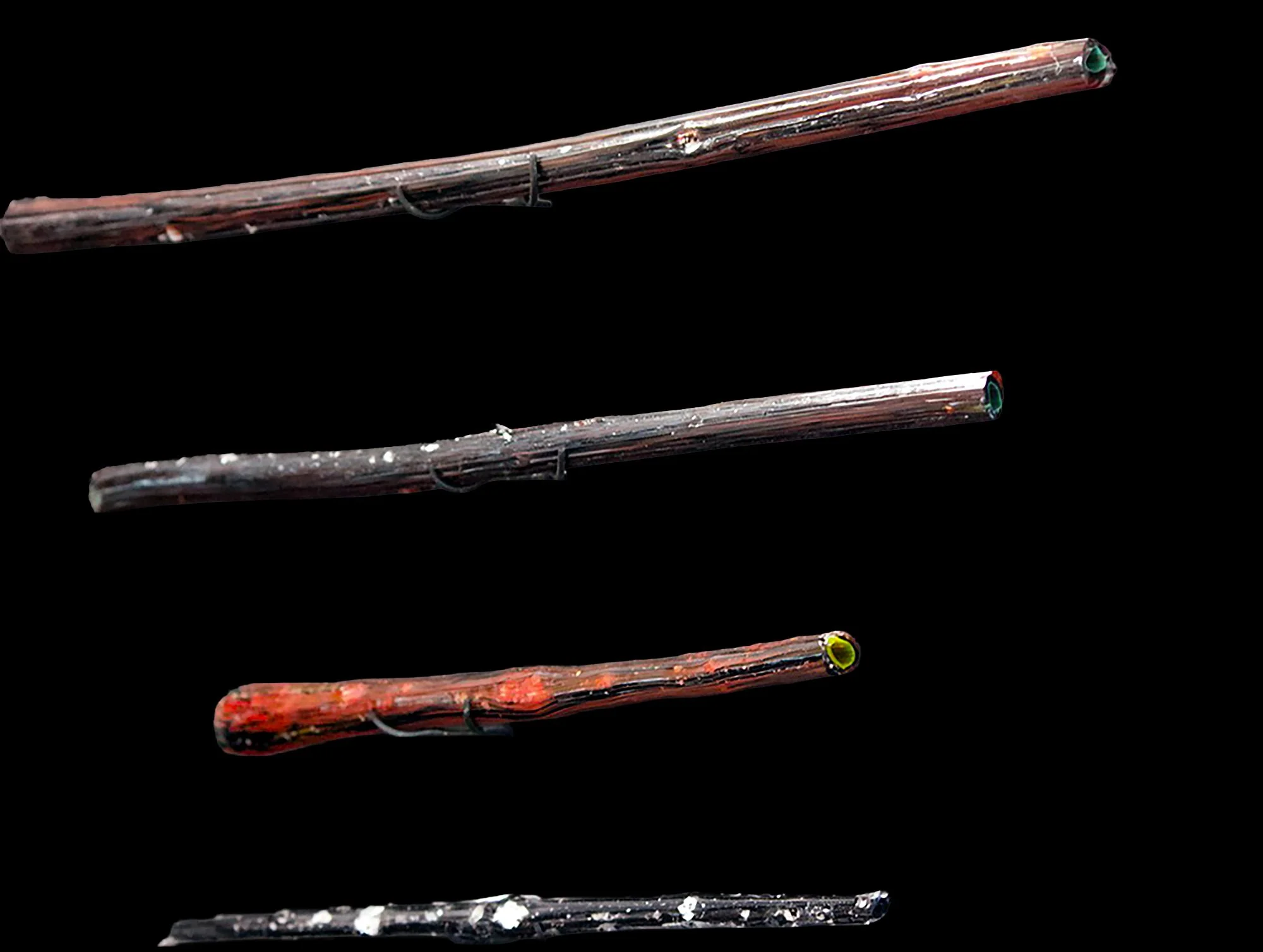
Geologic Objects (2025) Glass, Hand-sourced Mica
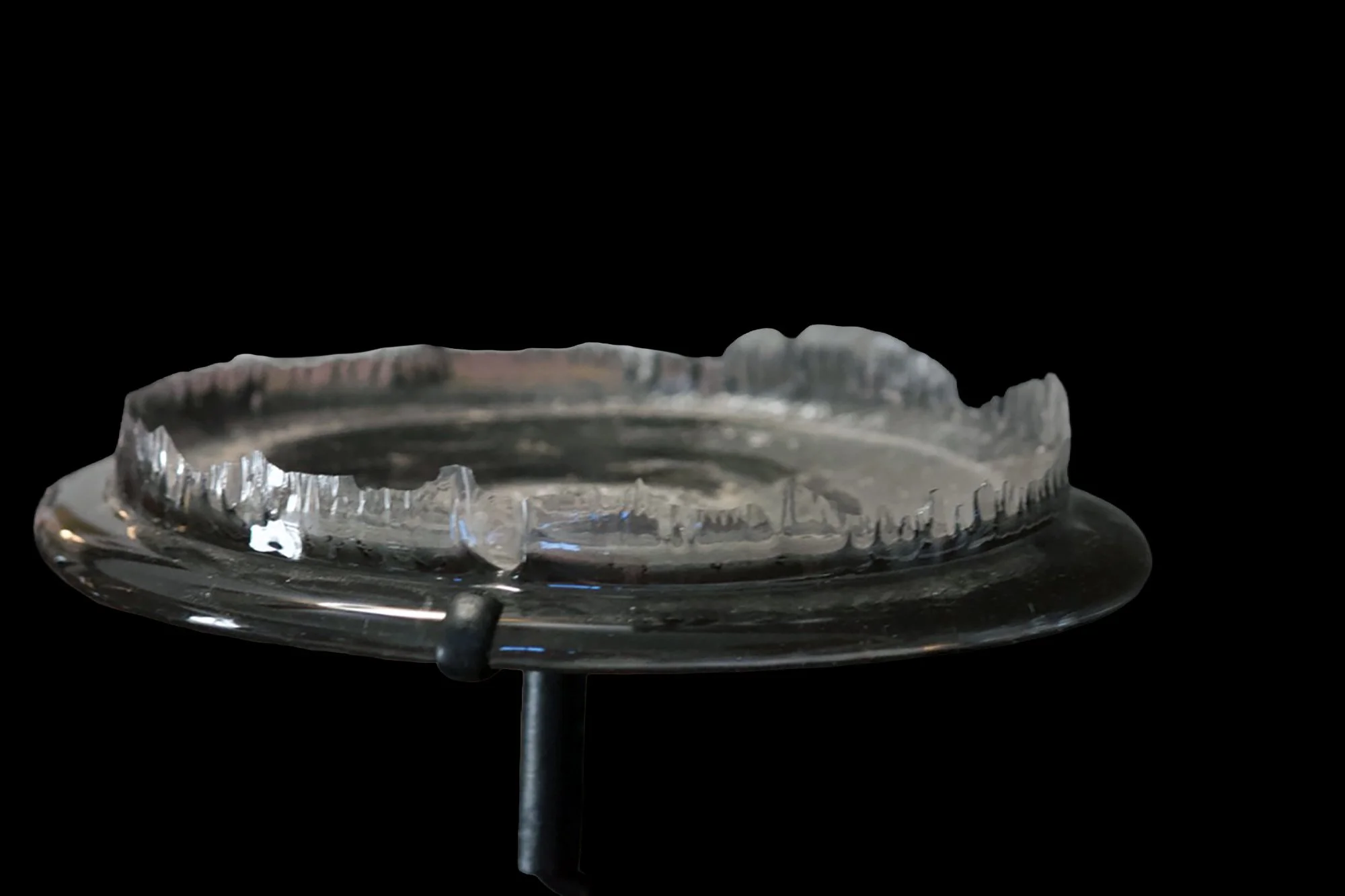
Impact Object: Crater (2025) Molten glass subjected to impact by a frozen meatball at high velocity
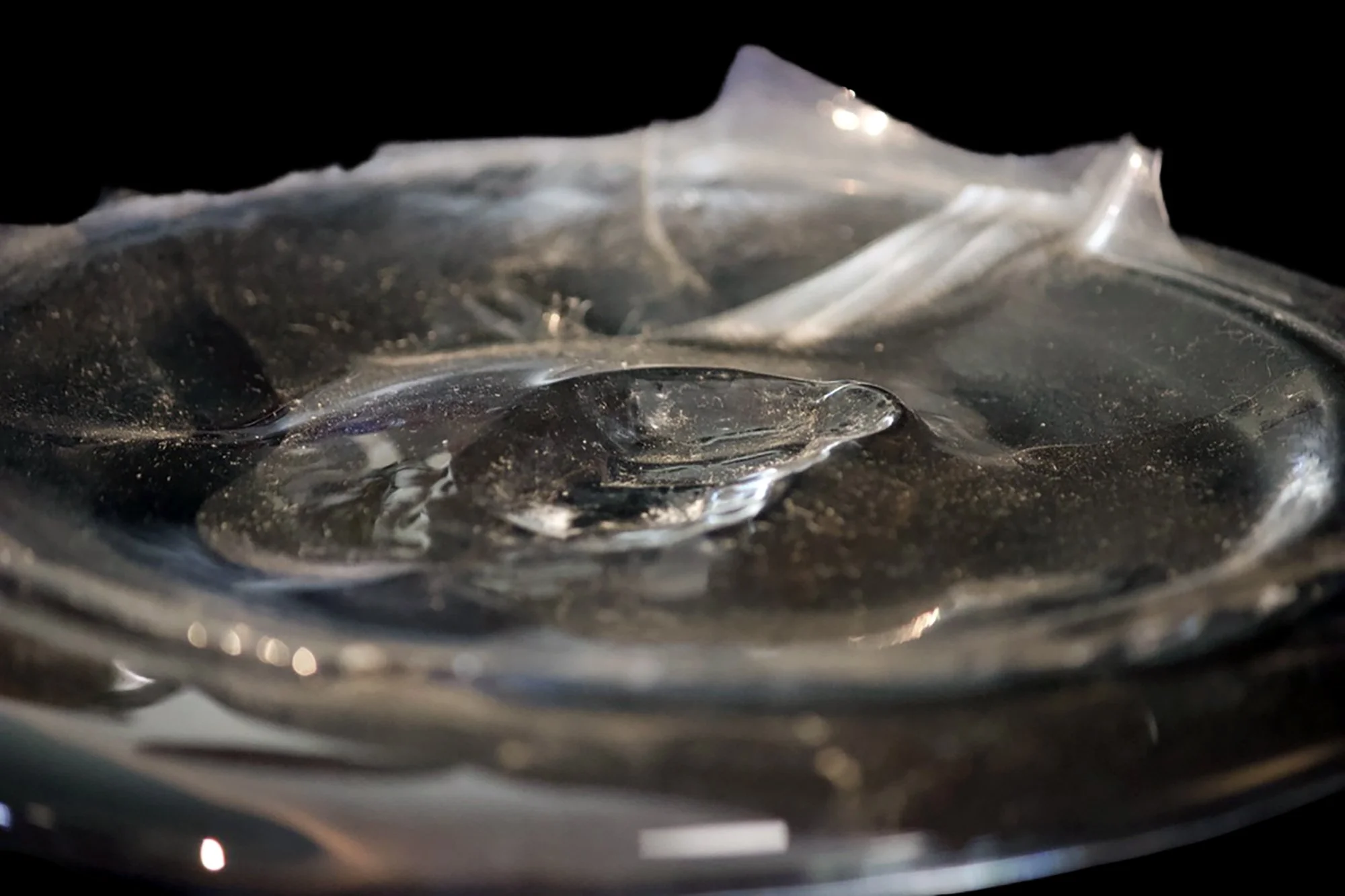
Impact Object: Crater (2025) Molten glass subjected to impact by a frozen meatball at high velocity
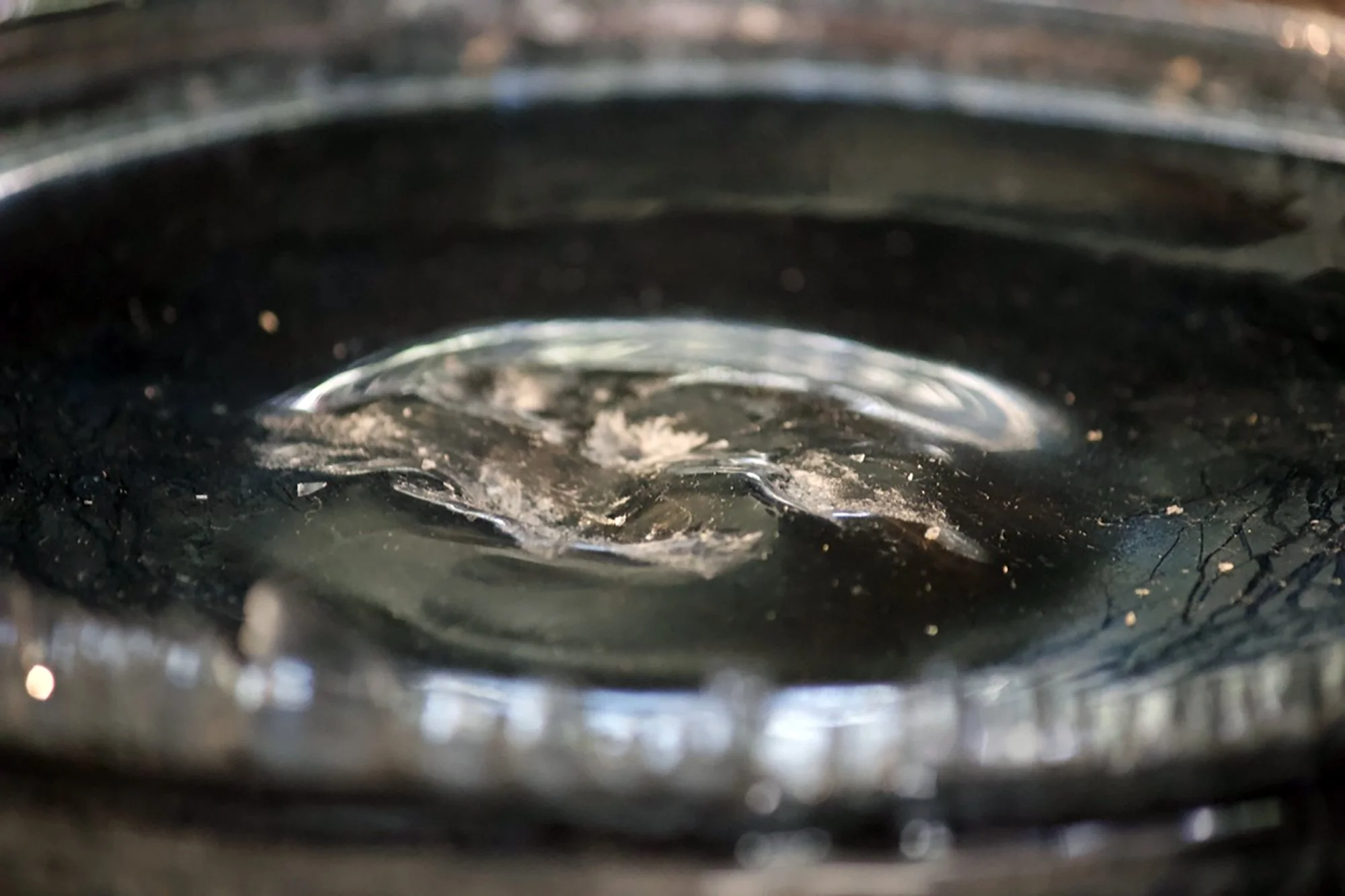
Impact Object: Crater (2025) Molten glass subjected to impact by a frozen meatball at high velocity
The Observatory: Beyond-looking (2026)
(Case Front)Geologically inspired explorations at the Ladd Observatory at Brown University
Glass (blown, cast, sculpted, polished, pulled, pressed, recast), mica, iron oxide
Exhibition Statement
The Observatory: Beyond-Looking
Salstrom explores relationships between acts of observation and discovery across disciplines, and how they are shared. Astronomers bounce ancient light off glass surfaces to reveal the secrets of the universe. By interpreting the color of the light coming from beyond, they can decipher the elemental makeup of distant objects. This is through a process called spectroscopy. Geologists can determine the makeup of geologic objects by deciphering color. This is the same for glass; by adding in different elements to the mixture, varying levels of transparency, clarity and color can be achieved.
Upon a recent visit to the Mineralogical and Geological Museum at Harvard University Salstrom was struck by the variety of form, texture, and color of the gems and minerals in the collection and naturally drew comparisons to the possibilities that can be achieved through glassmaking. The samples in this exhibition are material musings on fantastical specimens, possibly from distant planets. All objects in the front side of the case were formed through heat, pressure, time, and movement. They are complex in color makeup and are housed in the same room of the Ladd Observatory where spectroscopy is explained and demonstrated.
The backside of the case consists of various pieces made from Salstrom’s domestic sphere. Salstrom Objects, (the belly button lint collection), is the product of an art practice that came out of COVID isolation – making discoveries within his domestic life. He has carried on since then with making work from materials he can readily acquire from his everyday life. During this time, he started noticing a single ball of lint in the shower every time he bathed. Eventually he realized these lint-balls were forming in his belly button, a byproduct of body hair rubbing against the cotton of his t-shirts and pulling and settling in his naval. This coincided with more body hair developing later in life, a new phenomenon discovered! He decided to compare this practice to that of the great astronomer Charles Messier who was a comet hunter. In searching for comets with his telescope he discovered many deep space objects such as galaxies, nebulae and clusters and catalogued them. They are colloquially known as the Messier Objects: there are 110 of them, and there are 110 belly button lint objects displayed.
The moon map sketch was made by layering cat fur in varying densities to represent the craters on the southwestern lobe of the moon as viewed through Salstrom’s handmade 12.5” f/5 Newtonian reflector telescope.
The starlight drawings were made by the light of our star, our sun, burning a path through paper via a handmade spherical lens. This path marks the sun’s path through the duration of the drawing. The sun does the work.
“Beyond-looking” refers to the ability, through apparatus, to see beyond the limits of the naked eye.
Acknowledgements
This exhibition is made possible through funding form the RISD Faculty Professional Development Grant.
Thanks to Robert Horton, Mahmoud Hallak, and Michael Umbricht and all the staff at the Ladd Observatory for hosting this exhibit.
Thanks to Karin Forslund, Eliza Potenza, Lingyi Hu, Minsik Joo, Jake Blaustein, Anjali Gauld, Maximos Spatharaki, Jolin Zheng, Sadie Liebo, Cole Messinger, and the entire RISD Glass Department for assistance in the production of the works.
Thanks to Steven Deane for his mount-making mentorship.
Thanks to Richard Parker and Robert Horton for teaching me how to make my own high quality telescope optics